
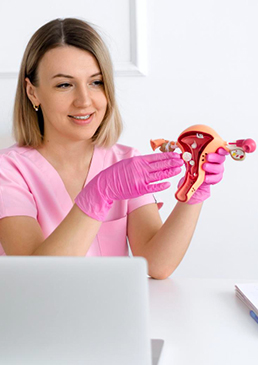
Women's bodies naturally change throughout life. Pregnancy, childbirth, ageing, hormonal changes, weight fluctuations, genetics, and previous procedures can all influence the appearance or function of the external genital area and pelvic tissues. Some women may experience concerns about appearance, discomfort, or changes that affect their confidence and quality of life.
Cosmetic gynaecology refers to a group of procedures and treatments designed to address selected aesthetic or functional concerns involving the female genital area. Depending on the concern, treatment may involve a surgical procedure, a minimally invasive technique, or a non-surgical approach.
At NUHA Hospital, cosmetic gynaecology begins with a private and respectful consultation. The purpose is to understand what is troubling the patient, determine whether there is an underlying medical issue, explain available options, and establish realistic expectations before any procedure is considered.
WHAT IS COSMETIC GYNAECOLOGY?
Cosmetic gynaecology combines aspects of women's health and aesthetic medicine. Procedures may focus on the external genital tissues, the vaginal area, or the perineum, depending on the patient's concerns.
Some women seek treatment because of physical discomfort, while others are concerned about changes in appearance. A few may have functional concerns following childbirth or injury.
Cosmetic procedures should not be viewed as necessary for normal anatomical differences. Female genital anatomy naturally varies considerably, and there is no single appearance that should be considered normal or ideal.
A cosmetic gynecology hospital in Guntur should therefore provide individualized counselling rather than suggesting that every woman needs a cosmetic procedure.
WHO MAY CONSIDER TREATMENT?
It's not suitable or necessary for everyone. The decision should be based on an individual's concerns, medical history, examination findings, and expectations.
Some women may notice changes following childbirth, while others may have concerns that have existed since adolescence. Hormonal changes around menopause can also affect genital tissues and comfort.
A consultation may be useful when a woman experiences persistent discomfort related to the external genital tissues, has concerns about changes following childbirth, or wants to understand whether a cosmetic procedure could address a specific concern.
The first step is always assessment. A doctor should determine whether symptoms are cosmetic or whether they may be caused by infection, skin disease, pelvic floor problems, hormonal changes, or another medical condition.
COMMON COSMETIC GYNAECOLOGY PROCEDURES
The procedures available in cosmetic gynaecology vary according to the patient's concern. Some are surgical and require anaesthesia, while others are minimally invasive or non-surgical.
Examples of procedures that may be discussed include:
- Labiaplasty for selected concerns involving the labia.
- Perineoplasty to address selected changes in the perineal area.
- Vaginal procedures intended to address specific functional or aesthetic concerns.
- Hymen-related procedures when medically or personally requested.
- Selected treatments using energy-based technologies.
The suitability, benefits, limitations, and risks of each procedure are different. A detailed consultation is necessary before treatment.
Women considering cosmetic gynec procedures for women in Guntur should receive clear information about what a procedure can realistically achieve rather than relying on promotional claims.
LABIAPLASTY
Labiaplasty is a surgical procedure that changes the size or shape of the labia, usually the labia minora. Women may consider it because of discomfort caused by friction during physical activity, difficulty with certain clothing, or personal concerns about appearance.
The procedure involves removing or reshaping a selected amount of tissue. Surgical planning is individualized because the anatomy and goals of each patient are different.
Labiaplasty is not simply a cosmetic adjustment. The labia have important protective and sensory functions, so preserving healthy tissue and avoiding excessive removal are important considerations.
Women interested in labiaplasty should discuss the expected result, possible scarring, changes in sensation, healing time, and potential complications before deciding on surgery.
LABIAL CORRECTION
Labial appearance naturally varies in size, shape, colour, and symmetry. Mild asymmetry is common and does not necessarily indicate a medical problem.
When a woman has persistent concerns about the appearance or function of her labia, surgical correction may be discussed after appropriate examination.
Labia correction surgery should be performed only after the patient understands that surgery cannot guarantee a particular appearance and that healing and final results vary between individuals.
The doctor should also discuss alternatives, including choosing no treatment, particularly when there is no medical problem.
VAGINAL REJUVENATION
The phrase “vaginal rejuvenation” can refer to different procedures and technologies, so patients should ask exactly what treatment is being proposed.
Some treatments aim to modify vaginal tissues, while others are intended to address symptoms such as dryness or discomfort. These symptoms may have medical causes, including hormonal changes, and should be properly evaluated.
Vaginal rejuvenation treatment should therefore begin with a clinical assessment rather than assuming that a cosmetic procedure is the appropriate solution.
Patients should be given balanced information about expected benefits, available alternatives, scientific evidence, and possible risks before choosing treatment.
HYMENOPLASTY
Hymenoplasty is a procedure intended to surgically reconstruct or alter the hymenal tissue. The hymen is a thin tissue structure near the vaginal opening, and its appearance varies naturally.
Importantly, the condition or appearance of the hymen cannot reliably establish whether a person has had sexual intercourse. Bleeding during first intercourse is also not a reliable indicator of sexual history.
Some adults request hymenoplasty for personal, cultural, social, or emotional reasons. The decision should be made voluntarily and without coercion.
Hymenoplasty specialist in Guntur should provide confidential counselling and explain what the procedure can and cannot accomplish, including the fact that it cannot provide proof of sexual history.
CLITORAL HOOD PROCEDURES
The clitoral hood is a fold of tissue that protects the clitoris. Its size and shape vary naturally among women.
Clitoral hood reduction involves carefully removing or reshaping a limited amount of tissue in selected cases. Because the clitoris is a highly sensitive structure, preservation of normal anatomy and sensation is particularly important.
Clitoral hood should only be considered following careful assessment and a detailed discussion of potential benefits and risks.
Patients should understand that cosmetic surgery in this sensitive area can potentially affect sensation, healing, scarring, or comfort.
CLITORAL HOODOPLASTY
Clitoral hoodoplasty is another term used for surgical reshaping of the clitoral hood. The procedure should be planned conservatively because excessive tissue removal can result in unwanted functional or sensory effects.
Clitoral hoodoplasty surgery requires appropriate anatomical knowledge and careful surgical technique.
During consultation, the doctor can explain whether the patient's concern is suitable for surgery and whether a less invasive approach or no treatment may be more appropriate.
PERINEOPLASTY
The perineum is the area of tissue between the vaginal opening and anus. Pregnancy and vaginal childbirth can sometimes result in changes to this area, particularly when there has been tearing, an episiotomy, or significant tissue stretching.
Perineoplasty is a surgical procedure that may be considered to repair or reshape selected perineal tissues. It may sometimes be discussed alongside treatment for specific symptoms or changes following childbirth.
Women looking for perineoplasty at affordable cost in Guntur should consider not only the financial aspect but also the qualifications of the treating doctor, surgical facilities, anaesthesia support, follow-up care, and the suitability of the procedure.
NON-SURGICAL TREATMENT OPTIONS
Not every concern requires surgery. Depending on the symptoms, a doctor may recommend non-surgical measures or treatments.
For example, vaginal dryness related to hormonal changes may be managed with suitable lubricants, moisturizers, or prescribed treatments when appropriate. Pelvic floor problems may benefit from pelvic floor physiotherapy.
Certain energy-based treatments are also marketed for intimate cosmetic concerns. Their suitability and evidence vary according to the specific technology and intended use.
HIFU, or high-intensity focused ultrasound, is one technology that may be considered for selected gynaecological applications. It should only be recommended after appropriate assessment.
A HIFU specialist in Guntur can explain whether this technology has a reasonable role for the patient's particular concern and discuss alternatives when appropriate.
WHAT HAPPENS DURING A CONSULTATION?
A private consultation is the foundation of responsible cosmetic gynaecology. The doctor first listens to the patient's concerns and asks about symptoms, previous childbirth, surgeries, medical conditions, medications, allergies, and treatment expectations.
An examination may be recommended when clinically necessary. The doctor can then explain whether the concern is within the scope of cosmetic treatment or whether another medical condition should be investigated.
Patients should be given time to ask questions about the procedure, anaesthesia, recovery, possible complications, expected appearance, and alternatives.
There should never be pressure to undergo treatment immediately.
RECOVERY AND AFTERCARE
Recovery varies according to the procedure. Surgical treatments generally require more healing time than non-surgical procedures.
Patients may experience temporary swelling, bruising, tenderness, or discomfort following surgery. The gynec doctor in guntur will provide specific instructions about hygiene, physical activity, sexual activity, wound care, and follow-up.
It is important to attend postoperative appointments even when healing appears normal. The final appearance of treated tissue may take time to settle.
Patients should contact their healthcare provider promptly if they develop severe pain, increasing swelling, fever, heavy bleeding, foul-smelling discharge, wound separation, or other unexpected symptoms.
UNDERSTANDING THE RISKS
Cosmetic procedures are medical procedures and therefore carry risks. Depending on the treatment, these may include infection, bleeding, scarring, asymmetry, changes in sensation, persistent discomfort, dissatisfaction with appearance, or the need for additional treatment.
Some procedures involving sensitive genital structures can potentially affect sexual sensation or function.
A responsible consultation should include a discussion of these possibilities rather than focusing only on potential cosmetic benefits.
CHOOSING THE RIGHT CARE
When selecting a cosmetic gynaecology provider, patients should consider the doctor's relevant training and experience, the quality of the clinical facility, infection-control standards, anaesthesia support, and availability of postoperative care.
Choosing the best cosmetic gynaecologist in Guntur should not be based solely on advertising or promises of a particular appearance. A trustworthy consultation should include an honest discussion of whether treatment is actually appropriate.
Patients should also ask for a clear explanation of costs, what is included in the procedure, expected recovery, and follow-up arrangements.
COSMETIC GYNAECOLOGY AT NUHA HOSPITAL
NUHA Hospital provides women with a private setting in which they can discuss intimate health and cosmetic concerns without embarrassment or judgment.
Under the care of Dr. Shabana Syed, patients can receive an individualized assessment and discuss surgical and non-surgical options according to their specific concerns.
Our approach places patient safety and informed consent at the centre of treatment. Every procedure is considered on its own merits, and patients are encouraged to understand the possible benefits, limitations, risks, and alternatives before making a decision.
Cosmetic gynaecology should enhance a patient's sense of wellbeing without creating unrealistic expectations about normal anatomy.
TAKE THE NEXT STEP
If you have concerns about changes in your intimate anatomy, discomfort following childbirth, or another personal cosmetic concern, a confidential medical consultation can help you understand your options.
Not every concern requires a procedure, and choosing not to have treatment is always a valid option. The right decision is one made after receiving accurate information and understanding the potential outcomes.
Book a private consultation at NUHA Hospital today to discuss your concerns with a qualified gynaecology team and explore safe, individualized treatment options.
Frequently Asked Questions (FAQs)
1. Is cosmetic gynaecology only about appearance?
No. Some procedures may address functional concerns such as discomfort or tissue changes following childbirth, while others are primarily intended to address appearance. The reason for treatment should be discussed during consultation.
2. Are cosmetic gynaecology procedures safe?
All medical procedures carry some risk. Safety depends on the specific procedure, patient factors, surgical technique, appropriate facilities, and aftercare. A detailed consultation is essential before treatment.
3. How long does recovery take?
Recovery depends on the procedure performed. Non-surgical treatments may require little downtime, while surgical procedures generally need a longer healing period. Your doctor will provide procedure-specific instructions.
4. Can cosmetic gynaecology improve sexual function?
The outcome depends entirely on the underlying concern and treatment. Some procedures may be performed for functional reasons, but improvement in sexual function cannot be guaranteed.
5. Do I need surgery for changes after childbirth?
Not necessarily. Changes after childbirth can be normal, and treatment is not always required. Depending on the symptoms, options may include observation, pelvic floor therapy, medical treatment, or surgery.

