
The shoulder is a highly flexible joint that allows the arm to move in many directions. This flexibility also makes it vulnerable to injuries and conditions affecting the bones, cartilage, tendons, ligaments, and other supporting tissues. Persistent shoulder pain can make simple activities such as dressing, reaching overhead, lifting objects, or sleeping difficult.
When medicines, physiotherapy, rest, and activity modification do not provide sufficient relief, some patients may require a surgical procedure. Shoulder arthroscopy is a minimally invasive technique that allows an orthopaedic surgeon to examine and treat selected problems inside and around the shoulder joint.
At NUHA Hospital, we begin with a careful evaluation to understand the cause of shoulder symptoms. Surgery is considered only when it is appropriate for the patient's condition and when the expected benefits justify the procedure.
For people exploring shoulder arthroscopy, understanding the procedure and the available treatment options can help make the decision-making process clearer and more informed.
WHAT IS SHOULDER ARTHROSCOPY?
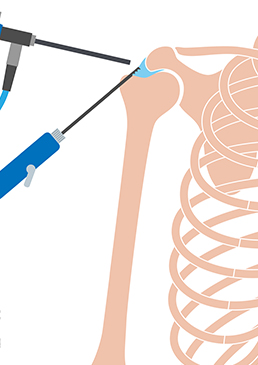
Shoulder arthroscopy is a surgical procedure performed using a small camera called an arthroscope. The instrument is introduced into the shoulder through a small incision and provides a magnified view of the structures inside the joint.
Additional small openings may be made to allow specialised surgical instruments to enter the joint. Depending on the problem, the surgeon may repair damaged tissues, remove inflamed tissue, address loose material, or perform other appropriate procedures.
The shoulder contains several important structures, including cartilage, tendons, ligaments, and the labrum. The labrum is a ring of firm tissue around the shoulder socket that helps provide stability. Arthroscopy allows the surgeon to examine these structures closely while using relatively small surgical openings.
WHEN MIGHT ARTHROSCOPY BE RECOMMENDED?
Not every shoulder problem requires surgery. Many conditions can initially be managed with rest, physiotherapy, medicines, exercises, and changes to activities that worsen symptoms.
Arthroscopy may be considered when a specific structural problem continues to cause pain, weakness, instability, or restricted movement despite appropriate non-surgical treatment.
A detailed assessment is important before making this decision. The doctor may review the patient's symptoms, medical history, physical examination, X-rays, MRI scans, or other investigations.
Patients searching for a shoulder arthroscopy hospital in guntur should consider the entire treatment pathway, including diagnosis, surgical planning, post-operative care, physiotherapy, and follow-up.
CONDITIONS THAT MAY BE TREATED
Shoulder arthroscopy can be used for a range of selected conditions. One common indication is a rotator cuff tear. The rotator cuff is a group of muscles and tendons that helps control shoulder movement and stability. Certain tears may require surgical repair when symptoms are significant or when conservative treatment has not been successful.
Arthroscopy may also be used for some cases of shoulder instability. Repeated dislocation or partial slipping of the shoulder can sometimes damage the labrum or other supporting tissues. Selected labral injuries may be repaired using arthroscopic techniques.
Other possible applications include treatment of certain impingement-related problems, removal of loose fragments, and management of inflamed tissue within the joint.
The appropriate procedure depends on the exact diagnosis. The same operation is not suitable for every patient.
SYMPTOMS THAT SHOULD BE EVALUATED
Occasional shoulder discomfort after physical activity may settle with appropriate rest. However, persistent or worsening symptoms should be assessed, particularly when they interfere with daily activities.
Common symptoms may include:
- Shoulder pain during movement or at rest.
- Difficulty raising the arm.
- Weakness while lifting or reaching.
- Repeated shoulder instability or a feeling that the joint may slip.
- Clicking, catching, or unusual sensations during movement.
- Pain that interferes with sleep.
Pain can have several causes, including problems involving the shoulder joint, rotator cuff, neck, or nerves. A proper clinical evaluation is therefore important before treatment is selected.
HOW THE PROCEDURE IS PERFORMED
Before surgery, the medical team reviews the patient's general health, previous operations, allergies, medications, and relevant investigations. Imaging studies help the surgeon understand the condition of the joint and surrounding tissues.
Anaesthesia is provided according to the procedure and the patient's medical needs. The surgeon makes a small incision and introduces the arthroscope into the shoulder. Sterile fluid may be circulated through the joint to improve visibility.
The camera displays enlarged images on a monitor. This allows the surgeon to inspect the joint and identify damaged or abnormal structures.
If treatment is required, specialised instruments are introduced through additional small openings. The surgeon may repair a torn tendon or labrum, remove inflamed tissue, address loose material, or perform another procedure depending on the diagnosis.
Shoulder arthroscopy procedure is therefore tailored to the patient's particular shoulder problem rather than being identical for everyone.
PREPARING FOR SURGERY
Preparation begins with a discussion about the procedure and expected recovery. Patients should provide their medical team with complete information about existing health conditions, allergies, previous surgeries, and all medicines or supplements they take.
Some medications may need to be adjusted before surgery depending on the patient's individual circumstances. The hospital team will provide specific instructions regarding fasting, medicines, investigations, admission, and discharge.
Patients should also consider how they will manage daily activities during the early recovery period. Since shoulder movement may initially be restricted, assistance with dressing, cooking, shopping, or household activities can sometimes be helpful.
RECOVERY AND REHABILITATION
Recovery after shoulder arthroscopy depends greatly on the procedure performed. A simple arthroscopic procedure may have a different recovery timeline from a rotator cuff or labral repair.
Some pain, swelling, and stiffness are expected during the early recovery period. The medical team may recommend medicines, ice application, wound care, and temporary use of a sling.
Physiotherapy is often an important part of rehabilitation. Initially, exercises may focus on maintaining safe movement while protecting healing tissues. As recovery progresses, strengthening and functional exercises can be introduced.
Patients should follow the rehabilitation plan carefully. Attempting heavy lifting or overhead activities before the shoulder has adequately healed may interfere with recovery.
BENEFITS OF ARTHROSCOPIC SHOULDER TREATMENT
For appropriately selected patients, arthroscopy provides access to the shoulder joint through relatively small surgical openings. The surgeon can directly examine the joint and treat certain conditions during the same procedure.
Potential benefits may include smaller incisions and less disruption to surrounding tissues compared with some traditional open procedures. Some patients may also experience a more manageable recovery.
However, the term minimally invasive does not mean that recovery is always quick or uncomplicated. The healing period depends on the type of treatment, the extent of the original injury, the patient's health, and adherence to rehabilitation.
POSSIBLE RISKS AND LIMITATIONS
Shoulder arthroscopy is a commonly used surgical technique, but like any operation, it has potential risks. These may include infection, bleeding, nerve or blood-vessel injury, stiffness, continued pain, blood clots, or complications related to the specific repair.
Some patients may not achieve complete restoration of shoulder movement or strength. The final outcome can depend on the severity and duration of the original condition, tissue quality, general health, and rehabilitation.
A shoulder arthroscopy specialist in guntur should discuss the potential benefits, risks, alternatives, and expected recovery before the patient decides to proceed.
CHOOSING THE RIGHT ORTHOPAEDIC CARE
Selecting the appropriate surgeon is an important part of treatment. Patients should feel comfortable discussing their symptoms, diagnosis, treatment options, and recovery expectations.
An experienced orthopaedic team should explain whether surgery is necessary and what alternatives may be available. Patients should also understand what the rehabilitation process will involve and what activities may need to be temporarily avoided.
At NUHA Hospital, we believe that clear communication is an essential part of responsible patient care.
WHY CHOOSE NUHA HOSPITAL?
At NUHA Hospital, our approach to arthroscopy treatment in guntur begins with an accurate assessment of the patient's condition. We consider the symptoms, physical findings, imaging results, previous treatment, lifestyle, and individual goals before recommending an appropriate treatment plan.
Our approach includes medical evaluation, surgical planning when required, peri-operative care, rehabilitation guidance, and follow-up. We aim to explain medical information in simple language so that patients and their families understand what to expect.
Not every shoulder condition requires an operation. When non-surgical treatment is appropriate, it remains an important part of the treatment discussion. When surgery is indicated, careful preparation and rehabilitation are considered essential parts of the overall care pathway.
PERSONALISED TREATMENT FOR EVERY PATIENT
Every shoulder is different, and the same diagnosis may affect two people in different ways. Age, activity level, occupation, previous injuries, muscle strength, tissue quality, and general health can all influence treatment decisions.
An orthopedic surgeon in guntur should consider these factors rather than recommending an identical treatment for every patient. The goal should be to select an approach that is appropriate for the patient's condition and realistic expectations.
At NUHA Hospital, patients are encouraged to ask questions and discuss their concerns before treatment. Understanding the procedure, recovery process, activity restrictions, and expected outcome can help patients prepare both physically and mentally.
RETURNING TO DAILY ACTIVITIES
Returning to normal activities should be gradual after shoulder arthroscopy. The timeline depends on the procedure and the tissues involved.
A person who has undergone a simple procedure may resume certain activities sooner, while someone recovering from a tendon or labral repair may need a longer period of protection and rehabilitation.
Driving, lifting, work, gym exercises, swimming, and sports should be resumed according to medical advice. The absence of pain does not necessarily mean that the tissues are fully healed, so activity should be increased progressively.
WHEN SHOULD YOU SEEK HELP?
Persistent shoulder pain, weakness, stiffness, or instability should not simply be ignored. Early evaluation can help identify the underlying cause and determine whether conservative treatment may be sufficient.
If symptoms continue despite appropriate treatment, further assessment may be needed to determine whether a structural problem requires surgical attention.
At NUHA Hospital, our aim is to provide patient-focused orthopaedic care based on sound clinical assessment and realistic treatment goals.
If persistent shoulder pain or restricted movement is affecting your everyday life, contact NUHA Hospital today to schedule an orthopaedic consultation and explore the treatment options that may be suitable for you.
Frequently Asked Questions (FAQs)
1. Is shoulder arthroscopy suitable for all shoulder problems?
No. It is useful for selected conditions involving structures inside or around the shoulder. The appropriate treatment depends on the diagnosis, severity of the problem, and the patient's overall health.
2. Is shoulder arthroscopy performed under anaesthesia?
Yes. Anaesthesia is used to keep the patient comfortable during the procedure. The type of anaesthesia is selected according to the operation and the patient's medical circumstances.
3. How long does recovery take?
Recovery varies depending on what was done during surgery. A simple procedure may have a shorter recovery period, while tendon or labral repairs may require several months of structured rehabilitation.
4. Will I need to wear a sling after surgery?
Some patients need a sling temporarily, particularly after certain repairs. The duration depends on the procedure and the surgeon's instructions.
5. Can I return to sports after shoulder arthroscopy?
Many patients can eventually return to suitable physical activities, but the timing depends on the procedure and healing. Your surgeon and physiotherapist will guide you through a gradual return to activity.

