
INTRODUCTION
General and Laparoscopic Surgery is an important area of surgical care that focuses on diagnosing and treating a wide range of conditions affecting the abdomen and other parts of the body. Depending on the condition, surgery may be performed using a traditional open approach or through laparoscopic techniques.
General surgery includes the assessment and surgical management of conditions involving areas such as the abdomen, digestive system, gallbladder, appendix, hernias, skin, and soft tissues. The type of treatment recommended depends on the patient's diagnosis, symptoms, general health, and the nature of the condition.
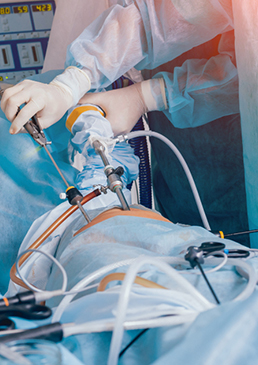
Laparoscopic surgery, often called minimally invasive surgery, is performed using small incisions. A thin instrument with a camera, known as a laparoscope, helps the surgeon view the area inside the body. Special surgical instruments may be inserted through small openings to perform the procedure.
At NUHA Hospital, our General and Laparoscopic Surgery services focus on careful evaluation, appropriate treatment planning, patient safety, and clear communication. Surgery is recommended only when it is considered medically appropriate. In some cases, medicines, observation, lifestyle changes, or other non-surgical options may be suitable.
Patients looking for the laparoscopic surgeon in guntur should understand that the most appropriate surgical approach depends on several factors. Not every condition can be treated through laparoscopic surgery, and not every patient is a suitable candidate for the same type of procedure. A thorough evaluation helps determine which approach may be appropriate.
Before any surgery, patients should understand why the procedure is recommended, what it involves, possible benefits, potential risks, and the expected recovery process. At NUHA Hospital, we encourage patients to ask questions and participate in informed decisions regarding their care.
CONDITIONS WE TREAT
General and laparoscopic surgery may be recommended for a variety of conditions. Some problems require planned surgery, while others may need urgent assessment. The treatment approach depends on the diagnosis and the individual circumstances of the patient.
At NUHA Hospital, our surgical services may provide assessment and treatment for conditions such as:
- Hernias, including certain groin and abdominal wall hernias.
- Gallbladder stones and gallbladder-related conditions.
- Appendicitis and appendix-related problems.
- Certain conditions affecting the stomach and intestines.
- Selected colorectal conditions requiring surgical assessment.
- Lumps, cysts, and certain soft-tissue conditions.
- Abscesses and some skin or soft-tissue infections requiring surgical care.
- Certain thyroid and breast conditions requiring surgical evaluation.
- Pilonidal sinus and other selected conditions affecting the skin and soft tissues.
- Conditions that may require biopsy or surgical removal of abnormal tissue.
- Abdominal pain caused by conditions requiring surgical assessment.
- Other general surgical conditions based on clinical evaluation.
For patients searching for a laparoscopic surgery hospital in guntur, it is important to remember that the choice between laparoscopic and open surgery depends on the type and severity of the condition. The surgeon considers factors such as the patient's medical history, previous surgeries, overall health, and the complexity of the procedure.
Laparoscopic techniques may be used for selected conditions, but the decision is made only after proper assessment. In some situations, open surgery may provide the safest or most appropriate approach.
SYMPTOMS
Surgical conditions can cause a variety of symptoms. Some symptoms may begin suddenly and become severe, while others develop slowly over time. Persistent or worsening symptoms should be evaluated by a qualified healthcare professional.
Common symptoms that may require a surgical consultation include persistent or severe abdominal pain, repeated vomiting, swelling or a noticeable lump in the abdomen or groin, and ongoing digestive discomfort. Pain associated with certain foods, particularly when it occurs repeatedly, may also require further assessment.
A bulge in the groin or abdominal wall may sometimes be associated with a hernia. The swelling may become more noticeable while coughing, standing, lifting heavy objects, or straining. Any painful or persistent lump should be evaluated rather than ignored.
Symptoms related to gallbladder problems can include pain in the upper abdomen, nausea, vomiting, or discomfort after eating. The exact cause of these symptoms cannot be determined based on symptoms alone, so medical evaluation is important.
Appendicitis may cause abdominal pain that changes or becomes more severe over time. It can also be associated with nausea, vomiting, loss of appetite, or fever. Sudden or severe abdominal pain requires timely medical attention.
Patients experiencing symptoms that may require evaluation by a laparoscopic surgery doctor in guntur should seek professional advice rather than attempting to diagnose the problem independently.
Some symptoms require urgent assessment. Severe and worsening abdominal pain, repeated vomiting, inability to pass stool or gas, high fever with abdominal symptoms, or a painful lump that does not reduce should be treated seriously. Patients experiencing severe symptoms should seek emergency medical care without delay.
DIAGNOSIS
Accurate diagnosis is an essential part of surgical care. Before recommending surgery, the doctor needs to understand the cause of the symptoms and determine whether a surgical procedure is necessary.
At NUHA Hospital, the evaluation usually begins with a detailed discussion about the patient's symptoms. The doctor may ask when the problem started, how the symptoms have changed, whether the pain is constant or intermittent, and what factors make the symptoms better or worse.
The patient's medical history is also important. Previous surgeries, current medications, allergies, existing health conditions, and family medical history may all be relevant when planning treatment.
A physical examination may help the doctor identify signs of a hernia, abdominal tenderness, swelling, infection, or other concerns. Depending on the symptoms, the examination may focus on the abdomen or another affected area.
Further investigations may be recommended when necessary. Blood tests can provide useful information about infection, inflammation, blood counts, and organ function. An ultrasound scan may be used to examine organs and structures within the abdomen.
CT scans or other imaging studies may be advised when more detailed information is required. These investigations can help doctors identify the cause of symptoms and plan appropriate treatment.
Not every patient requires the same tests. Investigations are chosen based on the suspected condition and the findings of the medical examination. In some cases, observation and follow-up may also provide useful information.
Once the diagnosis is clearer, the surgeon will discuss the available treatment options. If surgery is recommended, the patient will receive information about the procedure and preparation. The discussion may include the type of anesthesia, possible risks, expected hospital stay, and recovery.
Patients should feel comfortable asking questions before making decisions about surgery. Understanding the reason for a procedure and the recovery process can help patients prepare physically and emotionally.
WHY CHOOSE NUHA HOSPITAL
Choosing a hospital for surgical treatment is an important decision. Patients and families often need clear information, appropriate medical support, and confidence that their care will be planned with attention to safety and individual needs.
For patients considering a general surgery hospital in guntur, important factors include the availability of experienced surgical professionals, appropriate facilities, diagnostic support, and organized care before and after surgery.
At NUHA Hospital, our patient-centered approach includes:
- Experienced surgical care: Patients are evaluated and managed by qualified healthcare professionals with relevant clinical expertise.
- Individualized treatment planning: Surgical and non-surgical options are considered according to the patient's diagnosis, health condition, and personal needs.
- Appropriate use of technology: Modern diagnostic and surgical resources may support accurate evaluation and treatment planning.
- Laparoscopic options where suitable: Minimally invasive techniques may be considered when clinically appropriate for the patient's condition.
- Focus on patient safety: Care is planned with attention to established medical and surgical safety practices.
- Modern healthcare facilities: Our facilities are designed to support consultations, investigations, surgical care, and recovery.
- Clear communication: Patients receive understandable information about their condition, recommended treatment, and recovery.
- Comprehensive follow-up: Post-treatment follow-up may help monitor healing and address ongoing concerns.
- Compassionate care: We recognize that surgery can be stressful and aim to provide respectful and supportive care.
At NUHA Hospital, the treatment plan is developed after careful assessment. Our aim is to recommend an approach that is medically appropriate rather than applying the same solution to every patient.
We also understand that recovery is an important part of the surgical journey. Patients may need guidance regarding wound care, activity, diet, medications, follow-up visits, and warning signs that require medical attention. Clear instructions can help patients and families feel better prepared after treatment.
CALL TO ACTION
Living with persistent pain, a hernia, recurring abdominal symptoms, or another surgical condition can affect daily life and cause understandable concern. Delaying medical evaluation may allow some problems to worsen, while early assessment can help clarify the cause and guide appropriate care.
At NUHA Hospital, our General and Laparoscopic Surgery services provide professional evaluation for a range of conditions that may require surgical treatment. Whether you are experiencing a recent health problem or have been living with symptoms for some time, a consultation can help you understand your condition and discuss the available options.
Not every surgical consultation leads to surgery. In some situations, observation, medicines, or other forms of treatment may be appropriate. When a procedure is recommended, the doctor will explain why it may be necessary and what you can expect before, during, and after treatment.
Our approach focuses on careful diagnosis, individualized planning, patient safety, and compassionate communication. We want patients to feel informed and supported throughout their healthcare journey.
Do not ignore persistent symptoms, worsening abdominal pain, unusual swelling, or other concerns that may require medical attention. Schedule a consultation at NUHA Hospital to discuss your symptoms with a qualified healthcare professional.
Taking timely medical advice can help you understand the next steps and make informed decisions about your treatment and recovery.
Frequently Asked Questions (FAQs)
1. What is laparoscopic surgery?
Laparoscopic surgery is a type of minimally invasive surgery performed through small incisions. A camera called a laparoscope helps the surgeon view the area inside the body, while special instruments are used to perform the procedure.
2. Is laparoscopic surgery suitable for every patient?
No. The suitability of laparoscopic surgery depends on the patient's condition, medical history, overall health, and the type of procedure required. The surgeon will evaluate these factors before recommending an approach.
3. What conditions can be treated with general surgery?
General surgery may be used to treat conditions such as hernias, gallbladder problems, appendicitis, selected digestive conditions, lumps, cysts, and certain skin or soft-tissue conditions. The exact treatment depends on the diagnosis.
4. How should I prepare for surgery?
Preparation depends on the type of procedure. Your doctor may provide instructions about fasting, medications, medical tests, and other necessary preparations. It is important to follow these instructions carefully and inform your healthcare team about existing medical conditions and medicines.
5. How long does recovery take after laparoscopic surgery?
Recovery varies depending on the procedure performed, the patient's overall health, and whether any complications occur. Some patients may return to normal activities sooner than after certain open procedures, but recovery time differs from person to person. Your surgeon will provide guidance based on your specific procedure.

