
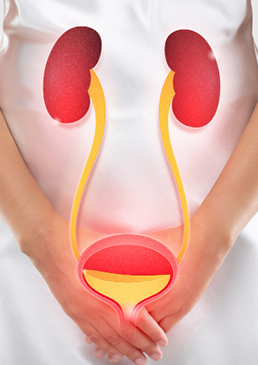
A urinary tract infection, commonly known as a UTI, is an infection that affects part of the urinary system. It can involve the bladder, urethra, ureters, or kidneys. UTI’s are common, particularly among women, and can usually be treated effectively when identified early.
Although a UTI may initially cause discomfort during urination, leaving an infection untreated can sometimes allow it to spread to the kidneys. Recognizing symptoms and seeking appropriate medical advice can help prevent complications.
At NUHA Hospital, patients receive evaluation and treatment based on their symptoms, medical history, test results, and individual health needs. Our approach focuses on identifying the cause of urinary symptoms and providing appropriate care rather than relying on self-medication.
WHAT IS A UTI?
The urinary system removes waste and excess fluid from the body through urine. It includes the kidneys, ureters, bladder, and urethra.
A UTI develops when microorganisms, most commonly bacteria, enter the urinary tract and multiply. The infection may affect the lower urinary tract, such as the bladder and urethra, or involve the upper urinary tract, particularly the kidneys.
A bladder infection is called cystitis, while infection involving the urethra is known as urethritis. When bacteria reach the kidneys, the condition is called pyelonephritis and generally requires more urgent medical attention.
Women tend to experience UTI’s more frequently because the urethra is shorter and located closer to the areas from which bacteria can enter.
COMMON SYMPTOMS OF UTI
Symptoms can vary depending on where the infection is located and how severe it is. Some people may experience several symptoms, while others may notice only one or two.
Common symptoms include:
- Burning, pain, or discomfort while passing urine.
- A frequent or urgent need to urinate, even when only a small amount of urine is produced.
- Cloudy, strong-smelling, or unusually dark urine.
- Pain or pressure in the lower abdomen or pelvic region.
- Blood appearing in the urine.
- Feeling generally tired or unwell.
A kidney infection may cause additional symptoms such as fever, chills, pain in the side or back, nausea, or vomiting. These symptoms require prompt medical evaluation because kidney infections can become serious if treatment is delayed.
WHAT CAUSES A UTI?
Most UTI’s occur when bacteria from outside the urinary system enter through the urethra and travel upward. The bacteria can then multiply in the bladder or other parts of the urinary tract.
Sexual activity can increase the chance of developing a UTI in some women. Pregnancy, menopause, certain contraceptive methods, urinary tract abnormalities, and incomplete emptying of the bladder can also influence risk.
People with conditions such as diabetes may be more susceptible to urinary infections. The use of urinary catheters can also increase the risk because a catheter provides a pathway through which microorganisms can enter the urinary tract.
A previous history of UTI’s may increase the likelihood of having another infection, particularly in people who experience recurrent episodes.
HOW IS A UTI DIAGNOSED?
Diagnosis begins with a discussion about symptoms and medical history. The doctor may ask about pain while urinating, urinary frequency, fever, previous infections, pregnancy, medicines, and other relevant health conditions.
A urine test is commonly used to look for signs of infection. Depending on the situation, a urine culture may also be recommended. A culture helps identify the bacteria responsible for the infection and can help determine which antibiotics are likely to work.
Not every person with urinary symptoms has a bacterial UTI. Conditions such as vaginal infections, kidney stones, certain sexually transmitted infections, bladder disorders, or irritation can produce similar symptoms. This is why appropriate assessment is important.
UTI TREATMENT
Treatment depends on the location and severity of the infection, the patient's medical history, and test findings.
Bacterial UTI’s are commonly treated with antibiotics. The specific medicine and duration depend on factors such as the suspected or confirmed bacteria, previous antibiotic exposure, allergies, pregnancy status, and local medical considerations.
Patients should take antibiotics exactly as prescribed. Stopping treatment early or using leftover antibiotics may contribute to treatment failure and antibiotic resistance.
Drinking adequate fluids may help maintain hydration, although simply drinking large amounts of water does not replace appropriate treatment for a confirmed bacterial infection.
Women looking for UTI treatment can receive medical evaluation to determine whether their symptoms are caused by an infection and what treatment may be appropriate.
WHEN A UTI NEEDS MORE ATTENTION
Some infections require closer monitoring because they may involve the kidneys or occur in people with particular medical conditions.
Pregnancy is one situation where urinary infections deserve prompt attention. A UTI during pregnancy can be associated with complications if it is not appropriately managed. Pregnant women should therefore inform their obstetrician if they develop urinary symptoms.
Men, children, older adults, and people with urinary tract abnormalities may also require a more detailed evaluation depending on their symptoms.
A UTI accompanied by fever, chills, vomiting, or pain in the side or back may indicate that the infection has reached the kidneys. Such symptoms should not be managed at home without medical assessment.
RECURRENT UTI’S
Some people experience repeated urinary infections. Recurrent UTI generally refers to multiple episodes occurring within a defined period, and the exact definition may vary according to clinical guidelines.
When infections keep returning, the doctor may investigate possible contribUTIng factors rather than repeatedly prescribing antibiotics without further assessment.
Evaluation may include urine cultures, review of previous treatment, assessment for urinary retention, kidney stones, anatomical problems, or other conditions. The doctor may also discuss personal habits and preventive strategies.
Keeping records of symptoms and previous urine test results can help the healthcare team identify patterns and make better treatment decisions.
PREVENTING URINARY TRACT INFECTIONS
Not every UTI can be prevented, but certain everyday habits may help reduce the risk for some people.
- Drink enough fluids to maintain normal hydration, unless a doctor has advised fluid restriction.
- Avoid regularly holding urine for long periods.
- Maintain good personal hygiene without excessive use of irritating products.
- Urinate after sexual activity if this is recommended as part of your individual prevention plan.
- Follow medical advice if you experience repeated infections rather than repeatedly self-treating.
Women who experience frequent infections should discuss prevention options with a healthcare professional. Preventive treatment, when appropriate, should be based on an individual's history and medical assessment.
UTI DURING PREGNANCY
Pregnancy can change the urinary system and may make urinary infections more important to identify and treat promptly. Some pregnant women may have bacteria in their urine without obvious symptoms.
For this reason, antenatal care may include urine testing at appropriate stages. If an infection is identified, the doctor can select a treatment that is appropriate for pregnancy.
Pregnant women should not take antibiotics or over-the-counter medicines without consulting their healthcare provider. Medicines that are suitable for one person may not be appropriate during pregnancy.
Women who need pregnancy-related urinary care can benefit from coordinated assessment between their obstetrician and the medical team treating the infection.
UTI IN MEN
Although UTI’s are less common in men than women, urinary symptoms in men deserve appropriate evaluation. An infection may sometimes be associated with problems such as prostate enlargement, urinary obstruction, stones, or other conditions.
Men with symptoms such as painful urination, frequent urination, difficulty starting urine, fever, or pelvic discomfort should seek medical advice.
Treatment may require investigation beyond a simple bladder infection, particularly when symptoms recur or do not improve as expected.
WHEN SHOULD YOU SEE A DOCTOR?
Mild urinary symptoms should not automatically be treated with leftover medicines or antibiotics obtained without medical advice. Proper diagnosis helps ensure that the correct condition is being treated.
Seek prompt medical attention if urinary symptoms are accompanied by high fever, chills, severe back or side pain, vomiting, confusion, weakness, or rapidly worsening symptoms.
Medical evaluation is also particularly important during pregnancy, in children, in older adults with significant symptoms, and in people with known kidney or urinary tract problems.
If you are searching for the gynecologist in Guntur, consider a healthcare professional who can evaluate urinary symptoms alongside reproductive and women's health concerns when appropriate.
WHY CHOOSE NUHA HOSPITAL?
UTI symptoms can sometimes be simple, but they may also overlap with other urinary or reproductive conditions. NUHA Hospital focuses on careful assessment so that patients receive treatment suited to the actual cause of their symptoms.
A UTI doctor can help evaluate symptoms, recommend appropriate urine testing, interpret results, and determine whether further investigation is needed.
Our patient-friendly approach emphasizes clear explanations and responsible treatment. Patients are encouraged to complete prescribed medicines, attend follow-up appointments when advised, and report symptoms that persist or return.
For people who require additional investigations or specialist input, coordinated care can help ensure that underlying problems are not overlooked.
COMPREHENSIVE URINARY CARE
At NUHA Hospital, patients can receive assessment for both first-time and recurring urinary symptoms. Depending on the clinical situation, care may include consultation, urine testing, treatment, follow-up, and referral for additional evaluation when required.
Patients seeking a UTI treatment hospital in Guntur can discuss their symptoms with the medical team and receive guidance based on their individual condition.
The aim is to treat the current problem appropriately while also considering factors that may contribute to repeated infections or persistent urinary symptoms.
TAKE THE RIGHT STEP FOR YOUR URINARY HEALTH
A UTI should not be ignored, especially when symptoms are persistent, severe, recurrent, or associated with fever or back pain. Early medical assessment can help identify the cause and guide appropriate treatment.
NUHA Hospital provides patient-focused evaluation and management for urinary tract infections and related concerns. A UTI specialist can assess your symptoms and help determine the next appropriate step in your care.
Book a consultation at NUHA Hospital today for timely evaluation, appropriate treatment, and personalized care for urinary tract infections.
Frequently Asked Questions (FAQs)
1. Can a UTI go away without antibiotics?
Some mild urinary symptoms may have causes other than a bacterial infection. A confirmed bacterial UTI may require antibiotics, so it is better to seek medical advice rather than assuming it will resolve on its own.
2. Can drinking more water cure a UTI?
Adequate hydration is useful for general health, but water does not reliably eliminate a bacterial infection. If an infection is present, appropriate medical treatment may be necessary.
3. Are UTI’s contagious?
A typical UTI is not considered a sexually transmitted infection and is generally not passed between sexual partners. However, some sexually transmitted infections can cause similar urinary symptoms, so proper diagnosis is important.
4. Why do UTI’s keep coming back?
Recurrent infections can have several causes, including sexual activity, incomplete bladder emptying, urinary stones, anatomical factors, menopause-related changes, or other medical conditions. Further evaluation may be appropriate when infections repeatedly occur.
5. Is a UTI dangerous?
Most uncomplicated UTI’s can be treated successfully. However, an untreated infection can sometimes spread to the kidneys and cause more serious illness. Fever, chills, vomiting, or significant back or side pain should receive prompt medical attention.

