
Introduction
Knee pain can gradually change the way you walk, work, exercise, and enjoy everyday life. When medicines, physiotherapy, lifestyle changes, and other non-surgical treatments no longer provide enough relief, knee replacement may become an option. At Nuha Hospital, we help patients understand their condition, explore suitable treatment options, and make informed decisions about their care. Choosing the right hospital and orthopaedic team is an important part of the treatment journey. Knee replacement is a major procedure, but with appropriate evaluation, careful surgical planning, rehabilitation, and follow-up, many patients can work towards improved mobility and reduced pain.
What is knee replacement?
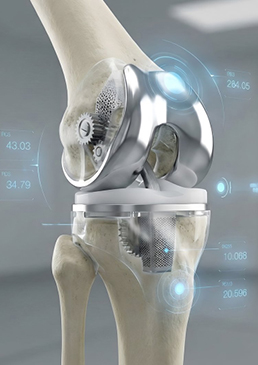
It is an orthopaedic procedure in which damaged portions of the knee joint are removed and replaced with specially designed artificial components. The aim is to reduce pain caused by severely damaged joint surfaces and improve the function of the knee. The knee is formed where the thigh bone, shin bone, and kneecap meet. Healthy cartilage allows these surfaces to move smoothly. Conditions such as advanced osteoarthritis can wear away this protective cartilage, resulting in pain, stiffness, swelling, and difficulty with movement.
During surgery, the damaged surfaces are carefully prepared and replaced with implants made from materials designed for use inside the body. The procedure does not simply replace the entire knee with one artificial piece; rather, selected damaged surfaces are replaced while the surgeon preserves as much healthy tissue as appropriate.
When might knee replacement be recommended?
It is generally considered when significant knee damage is affecting quality of life and non-surgical treatment has not provided adequate relief. The decision is based on several factors rather than age alone. People with advanced arthritis may experience persistent pain while walking, climbing stairs, standing, or even resting. Some may develop considerable stiffness or changes in the alignment of the leg. Everyday activities that were once easy can become increasingly difficult.
An assessment by a qualified orthopaedic surgeon in Guntur helps determine whether replacement is appropriate. The evaluation may include a discussion of symptoms, medical history, physical examination, and imaging such as X-rays. Other conditions that may be contributing to the symptoms are also considered. Patients looking for a knee replacement surgeon should consider the experience, the hospital's facilities, the approach to rehabilitation, and the quality of pre-operative and post-operative care rather than relying only on promotional claims.
What are the common causes of severe knee damage?
Osteoarthritis is one of the most common reasons people eventually require knee replacement. It occurs when the cartilage that cushions the joint gradually deteriorates. The exposed joint surfaces can then become painful and less smooth during movement. Rheumatoid arthritis and certain other inflammatory joint conditions can also cause progressive damage. Previous injuries, fractures, ligament problems, abnormal joint alignment, and some other conditions may contribute to long-term deterioration.
Not everyone with knee arthritis requires surgery. Many patients can manage symptoms for years through exercise, weight management where appropriate, medicines, physiotherapy, activity modification, and other treatments. Surgery is considered when the level of pain and disability warrants it.
Types
The most suitable procedure depends on how much of the knee is affected and the condition of the surrounding structures. Total knee replacement involves replacing the major damaged surfaces of the knee joint. It is commonly considered when arthritis has affected multiple areas. Partial knee replacement may be appropriate for selected patients whose disease is limited to one compartment of the knee and whose remaining joint structures are suitable for this approach. The orthopedic surgeon determines whether this option is appropriate after clinical and imaging assessment. The term knee joint replacement may refer broadly to these procedures, but the actual surgical plan should always be based on the individual's anatomy, symptoms, joint damage, general health, and functional needs.
What happens during the procedure?
Before surgery, the patient undergoes a detailed assessment. The medical team reviews existing health conditions, medicines, previous operations, allergies, and other factors that could influence surgery or recovery. On the day of the procedure, appropriate anaesthesia is provided. The surgeon accesses the knee through a carefully planned incision and removes the damaged joint surfaces. The bone is prepared to receive the implant components, which are positioned to provide a stable and functional joint.
The surgeon checks the movement and stability of the knee before completing the procedure. The wound is then closed, and the patient is transferred to the recovery area for monitoring. The exact technique, implant design, anaesthesia, and hospital stay can vary from one patient to another. A knee replacement should therefore be planned following an individual consultation rather than a standardised approach for every patient.
How you prepare
Good preparation can make the treatment journey easier. Your orthopaedic team may recommend exercises before surgery to maintain strength and movement. Existing medical conditions may also need to be reviewed and appropriately managed. Patients should tell their healthcare team about all medicines and supplements they take. Depending on the medication and individual circumstances, some may need adjustment before surgery. The hospital team will provide specific instructions regarding food, fluids, medicines, investigations, and admission.
It is also helpful to prepare the home environment before returning after surgery. Arranging assistance with daily activities during the early recovery period can make rehabilitation more comfortable.
Recovery and rehabilitation
Recovery continues well beyond the operation. Physiotherapy plays an important role in helping restore knee movement, strength, balance, and confidence. In the early stage, patients are usually encouraged to begin movement and walking as advised by their healthcare team. Walking aids may be used temporarily. Exercises are gradually progressed according to recovery and individual ability. Important parts of recovery include:
- Following the prescribed physiotherapy and exercise programme.
- Taking medicines exactly as advised and attending scheduled follow-up appointments.
- Gradually increasing activity without rushing into strenuous exercise.
- Maintaining the wound and watching for symptoms that require medical attention.
Recovery time varies. Some people progress relatively quickly, while others need more time to regain strength and confidence. Age, general health, muscle strength, the condition of the knee before surgery, and commitment to rehabilitation can all influence recovery.
What are the benefits and limitations?
The primary goal of knee replacement is to reduce pain and improve the ability to perform everyday activities. Many patients also experience improved movement and greater confidence in using the affected leg. However, knee replacement is not a guarantee of completely normal movement or freedom from every type of knee discomfort. Artificial joints can also wear over time. High-impact activities may not be appropriate for everyone after surgery.
As with any major operation, possible complications include infection, blood clots, bleeding, stiffness, nerve or blood-vessel injury, implant-related problems, and persistent pain. Your surgeon will explain the potential risks and expected benefits based on your individual situation.
Why choose Nuha Hospital?
Our approach to joint replacement begins with understanding the person behind the symptoms. Care involves assessment, diagnosis, treatment planning, surgery when appropriate, and rehabilitation. Patients seeking the knee replacement hospital in guntur should look beyond the procedure itself and consider the complete care pathway. Appropriate diagnostic facilities, experienced medical professionals, surgical support, nursing care, physiotherapy, infection-control practices, and follow-up all contribute to a structured treatment experience. Our orthopaedic team discusses the condition and available treatment options in straightforward language so that patients and families can understand what to expect. When surgery is recommended, the treatment plan is tailored to the patient's individual needs.
Choosing the right orthopaedic team
Selecting an experienced knee replacement surgeon in guntur is an important decision. Patients should feel comfortable asking questions about the diagnosis, surgical approach, implant options, expected recovery, rehabilitation, possible complications, and long-term activity recommendations. A good consultation should be a two-way conversation. Patients are encouraged to share their concerns, expectations, lifestyle requirements, and previous treatment experiences. This information helps the medical team develop a treatment plan that is realistic and appropriate. A orthopedician in guntur is not simply someone who performs procedures but a specialist who evaluates whether surgery is actually necessary and guides the patient through the alternatives and recovery process.
Take the next step towards better mobility
If persistent knee pain is limiting your daily activities, do not ignore the symptoms or assume that surgery is your only option. A consultation with a knee replacement doctor in guntur can help identify the cause of your pain and determine whether non-surgical treatment or joint replacement may be suitable. Patients who require specialised assessment can discuss their condition with an orthopedician and understand the potential benefits, limitations, risks, and recovery requirements before making a decision.
For patients who ultimately require total knee replacement surgery in guntur, careful preparation and structured rehabilitation are important parts of the overall treatment process. Similarly, those considering knee joint replacement can benefit from an individual evaluation rather than choosing treatment based solely on online information. At Nuha Hospital, our goal is to provide responsible orthopaedic care that helps patients move forward with greater understanding and confidence. If knee pain is affecting your everyday life, consult the orthopaedic team at Nuha Hospital to discuss your symptoms and explore the treatment options that may be right for you.
Frequently Asked Questions (FAQs)
1. How do I know if I need knee replacement?
Knee replacement may be considered when severe knee pain, stiffness, or reduced mobility significantly affects daily life and other treatments have not provided sufficient relief. An orthopaedic evaluation is needed to determine whether surgery is appropriate.
2. Is knee replacement suitable for older people?
Age alone does not determine whether someone can have knee replacement. Overall health, joint damage, mobility, medical conditions, and the individual's ability to undergo surgery and rehabilitation are important considerations.
3. How long does it take to recover from knee replacement?
Recovery varies between individuals. Early movement and physiotherapy usually begin soon after surgery, while strength, flexibility, and confidence continue to improve over the following weeks and months.
4. Will I be able to walk after knee replacement?
Walking is generally an important part of rehabilitation after surgery. Patients commonly begin walking with appropriate support as advised by their healthcare team. The timing and amount of walking depend on individual recovery.
5. Can knee replacement surgery completely remove knee pain?
The procedure is intended to relieve pain caused by damaged joint surfaces, but results vary. Some patients may continue to experience discomfort or stiffness. Your surgeon can explain the expected outcome based on your condition.

