
Orthopedic Services
Pain, stiffness, and reduced movement caused by joint and soft-tissue problems can affect work, exercise, sleep, and everyday life. While conventional treatments remain appropriate for many musculoskeletal conditions, some patients may also be interested in treatments that use biological materials from the body as part of their care.
Regenerative orthopedics is an area of musculoskeletal medicine that explores ways of supporting the body's natural healing processes. Depending on the condition, treatment may involve platelet-rich plasma (PRP), selected cellular therapies, or other biologically based approaches.
At NUHA Hospital, we believe regenerative treatment should begin with a proper diagnosis rather than with a particular procedure. The suitability of any biological treatment depends on the condition, severity of tissue damage, overall health, available evidence, and individual treatment goals.
For patients exploring a regenerative orthopedic hospital in guntur, our approach focuses on responsible evaluation, realistic expectations, and treatment plans tailored to the individual.
WHAT IS REGENERATIVE ORTHOPEDICS?
Regenerative orthopedics refers to a group of approaches that aim to support the body's own repair and healing mechanisms in selected musculoskeletal conditions. These treatments are being studied and used in different settings, but their effectiveness can vary depending on the condition and the specific treatment.
PRP is one of the more commonly discussed approaches. It is prepared from a patient's own blood and contains a concentrated level of platelets along with other substances naturally present in blood. The preparation is then delivered to a targeted area when considered appropriate.
Other biological approaches may involve cells or cell-derived products. These treatments require careful patient selection and appropriate medical oversight because evidence and regulatory requirements vary between different products and applications.
WHO MAY BENEFIT?
Regenerative approaches are not suitable for every patient with joint or muscle pain. The first step is identifying the actual source of symptoms.
A detailed assessment may include a medical history, physical examination, and imaging when required. The doctor considers the patient's age, activity level, duration of symptoms, previous treatments, tissue condition, and general health before discussing possible options.
Patients considering regenerative orthopedics should understand that regenerative treatment is not a guaranteed alternative to established treatments or surgery. In some cases, physiotherapy, medicines, activity modification, injections, or surgery may offer a more appropriate solution.
UNDERSTANDING PRP TREATMENT
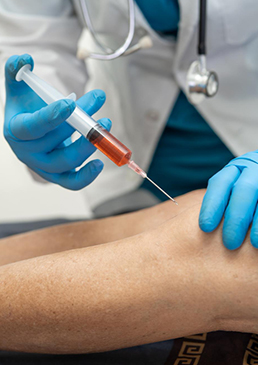
PRP therapy begins with a small sample of the patient's blood. The sample is processed to separate and concentrate platelets from other blood components. The resulting preparation is then injected into the selected treatment area under appropriate medical guidance.
Platelets play a role in the body's normal response to tissue injury. They contain various biological substances involved in healing and tissue repair. Researchers have therefore investigated whether concentrated platelet preparations can support recovery in certain musculoskeletal conditions.
The composition of PRP can differ depending on how it is prepared. This is one reason results reported in studies are not always identical.
A prp orthopedic treatment in guntur plan should therefore be based on the patient's diagnosis and the type of biological preparation being considered rather than on general claims about PRP.
CONDITIONS THAT MAY BE CONSIDERED
Regenerative approaches have been investigated for several orthopaedic problems involving joints, tendons, ligaments, and other soft tissues. PRP, for example, has been studied in selected tendon disorders and some forms of joint pain.
The strength of evidence is different for different conditions. Some patients may experience improvement, while others may not obtain the expected benefit. A responsible treatment discussion should include these uncertainties.
For knee pain associated with certain degenerative conditions, PRP may be discussed as one possible treatment option after a clinical assessment. Patients seeking prp treatment for knee pain in guntur should first have the cause and severity of their knee problem evaluated.
REGENERATIVE APPROACHES AND ARTHRITIS
Arthritis involves changes within a joint that can lead to pain, stiffness, and reduced function. Osteoarthritis, for example, is associated with gradual changes to cartilage and other joint structures.
Biological treatments are being investigated for their potential role in managing symptoms associated with some degenerative joint conditions. However, they should not be described as a guaranteed method of rebuilding damaged cartilage or reversing arthritis.
When discussing regen treatment for arthritis in guntur, patients should receive balanced information about what is known, what remains uncertain, and what established treatment alternatives are available.
WHAT ABOUT STEM CELL-BASED TREATMENTS?
Stem cells are cells with the ability to develop into certain types of specialised cells under appropriate biological conditions. Their potential applications in medicine have generated considerable interest, including in orthopaedics.
However, the term "stem cell treatment" covers a wide range of therapies. Different cell sources, preparations, processing methods, and treatment protocols may have very different characteristics. Evidence supporting one application should not automatically be applied to another.
A orthopaedic surgeon for stem cell therapy should therefore evaluate whether a proposed cellular treatment is appropriate and explain the available evidence, potential risks, limitations, and alternatives.
Patients should also be cautious about claims that a stem cell procedure can reliably regenerate severely damaged cartilage, eliminate arthritis, or replace the need for surgery. Such outcomes cannot be guaranteed.
WHAT CAN PATIENTS EXPECT DURING TREATMENT?
The treatment process begins with consultation and diagnosis. The doctor first determines whether the patient's symptoms are caused by a condition that could reasonably be considered for a biological approach.
If a procedure is recommended, the patient receives information about preparation, the treatment itself, expected recovery, and follow-up. Depending on the procedure, treatment may be performed as an outpatient intervention.
After treatment, patients may experience temporary discomfort, swelling, or soreness at the treatment site. The medical team provides appropriate instructions regarding activity, medicines, exercise, and follow-up.
The response to treatment can take time, and improvement is not guaranteed. Rehabilitation may remain an important part of recovery.
COMBINING REGENERATIVE CARE WITH REHABILITATION
Regenerative treatment should not be viewed as a replacement for rehabilitation. Muscles, tendons, ligaments, and joints often require appropriate movement and gradual strengthening to restore function.
Physiotherapy may be recommended before or after a biological treatment. Exercises can help improve flexibility, strength, balance, and movement patterns while addressing factors that may contribute to ongoing symptoms.
A comprehensive treatment plan may combine established orthopaedic care with selected biological approaches like regen stem cell therapy when appropriate. This allows treatment decisions to remain focused on the patient's overall function rather than on a single procedure.
ADVANCED TREATMENT WITH REALISTIC EXPECTATIONS
Patients often come across the phrase advanced regen orthopedic treatments when researching biological therapies. New techniques and products continue to be investigated, but newer does not automatically mean better or more effective.
At NUHA Hospital, treatment decisions are based on clinical assessment and available medical evidence. Patients should be given realistic information rather than promises of guaranteed regeneration or permanent pain relief.
The goal is to identify an appropriate treatment for the individual and to avoid unnecessary procedures. When a regenerative approach is considered, patients should understand its potential benefits as well as its limitations.
SAFETY AND POSSIBLE RISKS
Biological treatments can have risks even when a patient's own tissue or blood is used. Injection-based procedures may cause temporary pain, swelling, bruising, bleeding, or infection. The risks associated with cellular treatments depend on the type of cells or product used and how the treatment is prepared and administered.
Patients should inform their doctor about medical conditions, allergies, medicines, previous treatments, and any history that may affect the procedure.
A regen orthopedician in guntur should also explain when regenerative treatment may not be appropriate and whether another treatment would be safer or more effective.
WHY CHOOSE NUHA HOSPITAL?
At NUHA Hospital, regenerative orthopaedic care begins with diagnosis and patient selection. We do not believe that one biological treatment is suitable for every joint or soft-tissue problem.
Our team under the experienced Dr. Shaik Nawazish Rabbani evaluates symptoms, examines the affected area, reviews relevant investigations, and considers previous treatment before discussing available options. Where appropriate, regenerative approaches may form part of a broader treatment plan.
Patients are encouraged to ask questions about the evidence behind a proposed treatment, expected results, possible risks, cost considerations, recovery, and alternative options.
Our goal is to provide understandable information and responsible care rather than making unrealistic promises.
A PERSONALISED APPROACH TO MUSCULOSKELETAL HEALTH
Every patient's condition is different. A person with a mild tendon problem may require a very different treatment plan from someone with advanced arthritis or a significant structural injury.
Factors such as age, activity, general health, severity of tissue damage, duration of symptoms, and previous treatment can influence the decision.
Biological therapies may have a role in selected cases, but established orthopaedic treatments remain important. The right approach is the one that best matches the diagnosis and the patient's individual circumstances.
IS REGENERATIVE TREATMENT RIGHT FOR YOU?
The best way to determine whether a regenerative approach may be appropriate is through an individual consultation. Online information cannot establish whether a particular injection or cellular therapy will work for a specific patient.
A careful assessment can identify the underlying condition and clarify whether regenerative treatment, physiotherapy, medication, conventional injections, surgery, or another approach may be more suitable.
At NUHA Hospital, we aim to help patients make informed decisions based on their condition, available evidence, and realistic treatment goals.
TAKE THE NEXT STEP
If persistent joint or soft-tissue pain is affecting your quality of life, seeking an early orthopaedic assessment can help identify the cause and available treatment options.
Regenerative medicine continues to develop, and research is ongoing. Some approaches have evidence for selected conditions, while others remain under investigation. Patients deserve clear information about these differences before choosing treatment.
At NUHA Hospital, we combine careful diagnosis with a patient-centred approach to treatment. Our focus is on selecting appropriate care rather than promoting a particular procedure.
If persistent joint or musculoskeletal pain is limiting your movement, contact NUHA Hospital today to schedule an orthopaedic consultation and find out whether regenerative treatment may be appropriate for your condition.
Frequently Asked Questions (FAQs)
1. Is regenerative orthopaedic treatment suitable for everyone?
No. Suitability depends on the diagnosis, severity of the condition, general health, previous treatment, and the specific biological therapy being considered.
2. Does PRP guarantee pain relief?
No. Research results vary according to the condition and treatment protocol. Some patients may improve, while others may experience limited or no benefit.
3. Are stem cell treatments proven to regenerate damaged joints?
Evidence varies considerably between different cellular treatments and conditions. Patients should discuss the quality of available evidence and realistic expectations with their treating doctor.
4. Can regenerative treatment replace surgery?
Not necessarily. Some patients may benefit from non-surgical biological treatment, while others have structural damage that requires conventional surgical treatment. The appropriate option depends on the individual diagnosis.
5. How long does it take to see improvement?
The timeframe varies according to the condition and treatment. Some patients may notice changes over weeks, while others may experience little improvement. Follow-up helps assess the response and guide further care.

