
Introduction
Hip pain can gradually affect almost every part of daily life. Walking, climbing stairs, getting in and out of a chair, or even sleeping comfortably may become difficult when the hip joint is severely damaged. While many hip problems can be managed with medicines, physiotherapy, activity modification, and other non-surgical treatments, some patients may eventually require joint replacement. We provide comprehensive orthopaedic care for patients experiencing persistent hip pain and movement difficulties. Our approach begins with an accurate assessment of the problem, followed by a discussion of appropriate treatment options. When hip replacement is recommended, patients receive guidance through preparation, surgery, recovery, and rehabilitation.
For those considering a hip replacement hospital in guntur, it is important to choose a centre where diagnosis, surgery, nursing care, physiotherapy, and follow-up are treated as connected parts of the treatment journey.
Understanding the hip joint
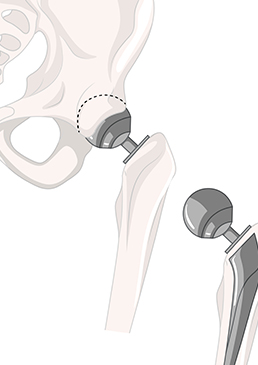
The hip is a large ball-and-socket joint that connects the thigh bone to the pelvis. Its rounded shape allows the leg to move in several directions while providing stability during standing and walking. Smooth cartilage covers the joint surfaces and helps them move against each other with minimal friction. Over time, this cartilage can become damaged or worn away. The underlying bone may then rub against other surfaces, leading to pain, stiffness, swelling, and reduced movement. Depending on the cause and severity, the condition can make ordinary activities increasingly uncomfortable. Hip replacement involves removing damaged parts of the joint and replacing them with artificial components designed to restore the joint's function. The procedure is planned according to the patient's anatomy, health, activity level, and extent of joint damage.
When is hip replacement considered?
Not everyone with hip pain needs surgery. Doctors usually recommend trying suitable non-surgical treatments when appropriate. These may include physiotherapy, medicines, exercises, weight management, walking support, and changes to activities that aggravate symptoms. Hip replacement surgery may be considered when significant joint damage causes ongoing pain or disability despite appropriate conservative treatment. A patient may have difficulty walking, experience pain during routine activities, or find that symptoms interfere with sleep and independence. A consultation with an experienced hip replacement care team in Guntur can help determine whether replacement is appropriate. The decision should be based on symptoms, physical examination, medical history, imaging findings, and the patient's overall health rather than on an X-ray alone.
What are the common causes of hip damage?
Osteoarthritis is a frequent reason for hip replacement. It occurs when the protective cartilage within the joint gradually deteriorates. As the joint becomes less smooth, movement may become painful and restricted. Other conditions can also cause serious hip damage. Rheumatoid arthritis and other inflammatory disorders may affect the joint, while certain fractures can permanently damage the hip. A condition called avascular necrosis occurs when the blood supply to part of the hip's ball-shaped component is reduced, potentially causing bone damage.
Previous injuries, developmental abnormalities, and some other medical conditions can also contribute to hip degeneration. Identifying the underlying cause helps the orthopaedic team determine the most appropriate treatment.
Signs that should not be ignored
Hip problems can develop gradually, so people sometimes adapt their movements instead of seeking medical attention. Persistent or worsening symptoms should be assessed, particularly when they begin affecting normal activities. Common symptoms may include:
- Pain around the hip, groin, thigh, or sometimes the buttock.
- Difficulty walking or climbing stairs.
- Stiffness after sitting or resting.
- Reduced ability to move the hip freely.
- Pain that interferes with sleep or everyday activities.
Pain can sometimes be felt in the knee even when the underlying problem originates in the hip. This is one reason a proper examination is important before deciding on treatment.
What happens during hip replacement?
Before surgery, the medical team performs a detailed evaluation. This may include physical examination, imaging studies, blood tests, and assessment of existing medical conditions. The patient's medicines and previous medical history are also reviewed. During the operation, the surgeon removes the damaged portion of the hip joint and prepares the surrounding bone to receive the replacement components. The artificial ball and socket are positioned carefully to provide stability and appropriate movement.
Different implant designs and surgical techniques may be suitable for different patients. The choice depends on factors such as bone quality, age, anatomy, activity requirements, and the condition of the joint. A hip replacement surgeon in guntur will discuss the planned procedure with the patient beforehand, including the expected benefits, possible risks, implant considerations, and recovery process.
Preparing for surgery
Good preparation can support a smoother recovery. Before the procedure, patients may be advised to maintain appropriate activity and perform exercises that help preserve muscle strength. Existing health conditions may need to be optimised before surgery. Patients should provide their healthcare team with a complete list of medicines, supplements, allergies, and previous medical problems. Specific instructions regarding fasting, medicines, investigations, and admission will be provided by the hospital. Preparing the home in advance can also be useful. Frequently used items can be placed within easy reach, and family support may be arranged for the initial recovery period.
Recovery after hip replacement
Recovery is an important part of successful treatment. Patients are generally encouraged to begin appropriate movement soon after surgery, according to their medical team's advice. Physiotherapy helps improve muscle strength, joint movement, balance, and walking ability. The pace of recovery differs from person to person. Some individuals become mobile relatively quickly, while others require more time and assistance. Age, general health, muscle condition, the reason for surgery, and adherence to rehabilitation recommendations can all influence progress. During recovery, patients should follow their surgeon's instructions and avoid increasing activity too quickly. Follow-up appointments allow the medical team to assess healing and address concerns.
Benefits and possible risks
The main purpose of hip replacement is to reduce pain and improve mobility. Patients may find it easier to walk, perform household activities, and participate in suitable low-impact activities after recovery. However, no major operation is completely risk-free. Potential complications can include infection, blood clots, bleeding, nerve or blood-vessel injury, differences in leg length, joint instability, fracture, or problems involving the implant. The likelihood of complications varies according to individual circumstances. An orthopedician in guntur should explain both the expected benefits and potential risks clearly so patients can make an informed decision.
Choosing the right orthopaedic care
Choosing an orthopedic doctor in guntur for hip problems should involve more than simply looking at a procedure or a hospital name. Patients should consider whether they receive a careful diagnosis, clear explanations, appropriate treatment recommendations, and a structured rehabilitation plan. At Nuha Hospital, we believe patients should understand why a particular treatment is being recommended. If surgery is not necessary, appropriate non-surgical options can be considered. When replacement is required, the treatment plan is developed around the patient's individual condition and needs.
Personalised surgical planning
Every patient's hip is different. Bone structure, joint damage, muscle condition, general health, previous operations, and activity expectations can influence the surgical plan. A hip replacement doctor in guntur evaluates these factors before recommending surgery. Imaging helps the surgical team understand the condition of the joint and plan the appropriate implant and procedure. The goal is not simply to perform an operation but to provide a carefully planned treatment pathway that addresses pain, mobility, safety, and long-term function.
Why choose us?
Patients looking for a hip replacement can benefit from a coordinated approach in which diagnosis, surgical care, nursing support, physiotherapy, and follow-up work together. We aim to provide patients and their families with clear information at every stage. Our team focuses on safe clinical practices, individualised treatment planning, and rehabilitation guidance. For individuals who require hip surgery, understanding the procedure beforehand can reduce uncertainty and help patients prepare realistically for recovery. We encourage patients to ask questions and discuss their expectations openly with the medical team.
Taking the next step
Living with persistent hip pain can gradually reduce independence and affect quality of life. If pain is making walking, sleeping, working, or everyday activities difficult, an orthopaedic assessment can help identify the cause and determine the appropriate treatment. Not every patient requires replacement, and surgery should be recommended only when the expected benefits justify the procedure. For patients who do need surgery, choosing the best hospital for hip replacement in guntur involves considering the complete care pathway rather than surgery alone. Our orthopaedic team is committed to helping patients understand their condition, make informed treatment decisions, and work towards a safer and more comfortable return to daily activities. If persistent hip pain is limiting your movement or affecting your quality of life, contact NUHA Hospital today to schedule an orthopaedic consultation and explore the treatment options suitable for you.
Frequently Asked Questions (FAQs)
1. How long does a hip replacement procedure take?
The duration can vary depending on the patient's condition, surgical technique, and other factors. Your surgeon can provide a more specific estimate after evaluating your individual case.
2. Is hip replacement only for elderly patients?
No. Although hip replacement is more common with advancing age, younger patients may also require the procedure because of severe arthritis, previous injury, bone damage, or other joint conditions.
3. How soon can I walk after hip replacement?
Many patients are encouraged to begin walking with appropriate support relatively soon after surgery. The exact timing depends on the patient's health, surgical findings, and the medical team's recommendations.
4. How important is physiotherapy after surgery?
Physiotherapy is an important part of recovery. It helps restore strength, movement, balance, and walking ability while guiding patients towards a gradual increase in activity.
5. Can a replaced hip last for many years?
Modern hip implants are designed for long-term use, but their lifespan varies between individuals. Factors such as activity level, body weight, implant type, bone health, and general health can influence how long an implant remains functional.

