
INTRODUCTION
Knee pain can make walking, climbing stairs, exercising, or even sitting comfortably difficult. While many knee conditions respond well to medicines, physiotherapy, rest, and changes in activity, some problems may require a closer examination or surgical treatment.
Knee arthroscopy is a minimally invasive procedure used to examine and treat certain problems inside the knee joint. It uses a small camera and specialised instruments introduced through tiny openings around the knee. At NUHA Hospital, treatment begins with understanding the patient's symptoms and identifying the underlying cause before deciding whether surgery is appropriate.
For patients considering knee arthroscopy in guntur, a proper orthopaedic evaluation is an important first step. Not every knee problem requires surgery, and the recommended treatment depends on the nature and severity of the condition.
WHAT IS KNEE ARTHROSCOPY?
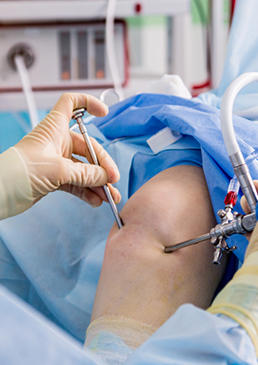
Knee arthroscopy is a surgical technique that allows an orthopaedic surgeon to see the inside of the knee using an arthroscope. This is a thin instrument with a small camera and light at its tip. The camera displays a magnified image of the joint on a monitor.
Small surgical instruments can be introduced through additional openings when treatment is required. Depending on the problem, the surgeon may repair damaged tissue, remove loose fragments, address selected cartilage problems, or perform other procedures within the joint.
Because the procedure uses small incisions, there is generally less disruption to surrounding tissues than with some traditional open operations. However, arthroscopy is still surgery, and recovery depends on what treatment is performed.
WHEN IS KNEE ARTHROSCOPY RECOMMENDED?
Knee arthroscopy may be considered for selected conditions when symptoms persist despite appropriate non-surgical treatment or when a specific problem inside the joint requires surgical attention.
The decision is based on the patient's symptoms, physical examination, imaging findings, medical history, activity level, and response to previous treatment. In some cases, physiotherapy and other conservative measures may be sufficient. In others, surgery may provide an appropriate way to address a particular structural problem.
A consultation with a knee arthroscopy surgeon in guntur can help determine whether arthroscopy is suitable and whether another treatment approach may be more beneficial.
CONDITIONS THAT MAY BE TREATED
Several problems affecting the knee can potentially be treated using arthroscopic techniques. One common example is a meniscus tear. The menisci are two pieces of tough, cushioning tissue between the thigh bone and shin bone. Certain tears may cause pain, catching, swelling, or difficulty moving the knee.
Arthroscopy may also be used for selected cartilage injuries, loose pieces of tissue or bone within the joint, and some ligament-related procedures. Certain inflammatory conditions may also require arthroscopic examination or treatment in carefully selected circumstances.
The appropriate procedure depends on the specific diagnosis. A treatment that is useful for one type of knee injury may not be appropriate for another.
SYMPTOMS THAT NEED MEDICAL ATTENTION
Knee discomfort after strenuous activity or a minor injury may sometimes improve with rest and appropriate care. However, persistent or recurring symptoms should be evaluated, particularly when they interfere with everyday activities.
Common symptoms that may warrant an orthopaedic assessment include:
- Persistent knee pain that does not improve with appropriate treatment.
- Repeated swelling of the knee.
- A sensation of catching, locking, or giving way.
- Difficulty bending or straightening the knee.
- Pain or instability during walking, exercise, or other activities.
A detailed examination can help determine whether the symptoms are related to the joint itself, surrounding muscles and tendons, ligaments, or another structure.
HOW THE PROCEDURE IS PERFORMED
Before surgery, the medical team reviews the patient's health history, medicines, allergies, previous operations, and relevant investigations. Imaging such as X-rays or MRI scans may be used to understand the condition of the knee.
Anaesthesia is provided according to the procedure and the patient's medical needs. The surgeon makes a small opening and introduces the arthroscope into the knee joint. Sterile fluid may be gently circulated through the joint to improve visibility.
The images from the camera are displayed on a monitor. If a problem requiring treatment is identified, specialised instruments can be introduced through other small openings.
The exact steps depend on the condition being treated. Some procedures involve trimming or removing damaged tissue, while others involve repairing or reconstructing structures inside the knee.
Patients looking for a knee arthroscopy hospital in guntur should consider not only the surgical procedure but also the availability of appropriate pre-operative assessment, nursing support, rehabilitation, and follow-up care.
PREPARING FOR KNEE ARTHROSCOPY
Preparation can help make the surgical experience smoother. Before the operation, patients should provide their doctor with complete information about existing medical conditions and all medicines or supplements they use.
Some medicines may need to be changed or temporarily stopped before surgery depending on individual circumstances. Patients should follow the hospital's instructions regarding fasting, medicines, investigations, and admission.
It is also helpful to arrange transportation home if the procedure is being performed as day-care surgery. Depending on the treatment performed, patients may temporarily need assistance with walking or routine activities.
RECOVERY AFTER SURGERY
Recovery following knee arthroscopy varies significantly depending on the procedure. Someone undergoing a relatively simple procedure may recover more quickly than a patient who has undergone a ligament reconstruction or tissue repair.
Pain and swelling can occur during the initial recovery period. The medical team may recommend ice application, elevation, medicines, activity modification, and exercises as appropriate.
Physiotherapy can play an important role in rehabilitation. A physiotherapist may guide the patient through exercises designed to restore knee movement, strength, balance, and function.
Patients should follow the recommended rehabilitation programme and increase activity gradually. Returning to sports or strenuous exercise too early may interfere with healing, particularly after a repair or reconstruction.
BENEFITS OF ARTHROSCOPIC TREATMENT
When appropriately selected, arthroscopy can allow the surgeon to access structures inside the knee through relatively small openings. This may reduce disruption to surrounding tissues compared with certain open procedures.
Potential benefits can include:
- Smaller incisions.
- Direct visualisation of structures inside the joint.
- The ability to diagnose and treat selected problems during the same procedure.
- Potentially less soft-tissue disruption than some open surgical approaches.
- Rehabilitation that may be relatively quicker for certain procedures.
The actual outcome depends on the condition being treated. Arthroscopy is not suitable for every knee problem, and a minimally invasive approach does not automatically mean a faster recovery in every patient.
RISKS AND POSSIBLE COMPLICATIONS
As with any surgical procedure, knee arthroscopy carries potential risks. These may include infection, bleeding, blood clots, swelling, stiffness, nerve or blood-vessel injury, or continued pain.
The risks also depend on the particular procedure being performed. For example, recovery requirements after a ligament reconstruction can be substantially different from those after a simpler procedure.
An experienced knee arthroscopy specialist in guntur should explain the expected benefits, possible complications, alternatives, and likely rehabilitation requirements before surgery.
CHOOSING THE RIGHT ORTHOPAEDIC CARE
Selecting a surgeon is an important decision when considering knee arthroscopy surgery in guntur. Patients should have an opportunity to discuss their diagnosis and understand why a particular procedure has been recommended.
A good consultation should cover both surgical and non-surgical options. It should also provide realistic information about recovery, activity restrictions, physiotherapy, possible complications, and expected outcomes.
At NUHA Hospital, we believe patients should be active participants in decisions about their treatment. Our approach focuses on clear communication and individualised care.
WHY CHOOSE NUHA HOSPITAL?
For patients searching for arthroscopic knee surgery in guntur, NUHA Hospital provides an integrated approach to orthopaedic treatment. Evaluation, surgical planning, medical support, nursing care, rehabilitation, and follow-up are considered important parts of the overall treatment pathway.
Our team understands that every knee problem is different. Some patients may benefit from physiotherapy or other conservative measures, while others may require surgery to address a specific structural problem.
We aim to provide clear explanations so patients and families understand the diagnosis and recommended treatment. When surgery is appropriate, careful planning is undertaken to support safe and effective care.
Patients considering a orthopedic hospital in guntur should look beyond the procedure itself and consider the complete patient journey, including diagnosis, surgical expertise, hospital support, rehabilitation, and follow-up.
RETURNING TO EVERYDAY ACTIVITIES
One of the main goals of knee treatment is to help patients return to appropriate daily activities with improved comfort and function. The timing of this return depends on the procedure and individual healing.
Patients with physically demanding jobs or sports-related goals may require a more structured rehabilitation programme. The medical team can provide guidance on when activities such as driving, work, exercise, and sports may be resumed.
Following medical and physiotherapy advice is important. Recovery should be progressive rather than rushed, allowing the tissues to heal appropriately.
WHEN SHOULD YOU SEEK HELP?
Knee pain that repeatedly returns, limits movement, or interferes with normal activities deserves proper evaluation. Delaying assessment may leave an underlying injury or joint problem untreated.
If you have persistent pain, swelling, instability, locking, or restricted movement, an orthopaedic consultation can help identify the cause. Imaging and physical examination can then guide the next step.
At NUHA Hospital, our focus is on providing treatment that is appropriate for the patient's individual condition. Surgery is considered when its potential benefits justify the procedure.
If knee pain or restricted movement is affecting your daily life, contact NUHA Hospital today to schedule an orthopaedic consultation and take the next step towards appropriate, personalised knee care.
Frequently Asked Questions (FAQs)
1. Is knee arthroscopy suitable for everyone with knee pain?
No. Arthroscopy is appropriate only for selected conditions. Your doctor will assess the cause of your symptoms and determine whether surgery or another treatment is more suitable.
2. How long does knee arthroscopy take?
The duration varies according to the condition and procedure being performed. Your surgeon can explain the expected operating time after reviewing your diagnosis and treatment plan.
3. Can I walk after knee arthroscopy?
Many patients are able to begin walking relatively soon after certain procedures, sometimes with temporary support. The timing depends on what was done during surgery and your doctor's instructions.
4. Will I need physiotherapy after the procedure?
Physiotherapy is commonly recommended, particularly after procedures involving repair or reconstruction. It helps restore movement, strength, balance, and normal knee function.
5. How soon can I return to sports?
The timeline varies greatly depending on the injury and surgery. Simple procedures may allow an earlier return, while ligament or cartilage repairs can require a longer rehabilitation period. Your surgeon and physiotherapist will guide your progression.

