
Pulmonology Services
Sleep apnea is a common sleep disorder in which breathing repeatedly stops or becomes very shallow during sleep. These interruptions may happen many times during the night and can prevent the body from getting enough oxygen and the brain from getting the deep, restful sleep it needs.
Although loud snoring is often associated with sleep apnea, it is not simply a snoring problem. Untreated sleep apnea can affect daytime energy, concentration, mood and overall health. Recognising the symptoms early and getting the right medical evaluation can help patients take appropriate steps towards better sleep and healthier daily living.
At NUHA Hospital, patients can receive a comprehensive evaluation for sleep-related breathing problems. Our approach focuses on understanding the underlying cause, assessing the severity of the condition and choosing treatment according to the individual patient's needs.
WHAT IS SLEEP APNEA?
Sleep apnea occurs when normal breathing is interrupted repeatedly while a person is asleep. The most common form is obstructive sleep apnea, which happens when the muscles and tissues in the upper airway relax and partially or completely block the passage of air.
Another type is central sleep apnea, where the brain does not send the normal signals needed to control breathing during sleep. Some people may also have a combination of obstructive and central sleep apnea.
During an episode, breathing may stop for several seconds before the brain triggers a brief awakening that helps restore airflow. These awakenings may be so short that the person does not remember them the next morning. However, repeated interruptions can significantly disturb normal sleep.
COMMON SYMPTOMS OF SLEEP APNEA
Many people with sleep apnea are unaware that their breathing is being interrupted at night. A partner or family member may notice changes in breathing before the affected person does.
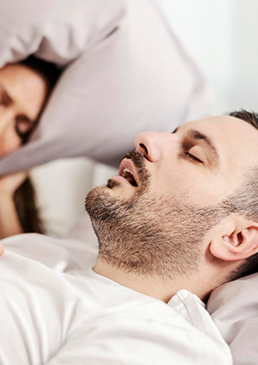
Loud or persistent snoring can be an important warning sign, particularly when it occurs along with pauses in breathing, choking or gasping during sleep. However, not everyone who snores has sleep apnea, and some people with sleep apnea may not snore loudly.
Other symptoms can include waking with a dry mouth or headache, feeling excessively sleepy during the day, difficulty concentrating and experiencing frequent nighttime awakenings. Some people may also notice irritability, reduced alertness or a general feeling of not being refreshed after a full night's sleep.
Children can experience sleep apnea differently. Restless sleep, mouth breathing, behavioural changes, difficulty concentrating and problems with school performance may sometimes be associated with sleep-disordered breathing.
WHAT CAUSES SLEEP APNEA?
Several factors can contribute to airway obstruction during sleep. Relaxation of the throat muscles is a normal part of sleep, but in some individuals the airway becomes narrow enough for airflow to be restricted.
Body weight, the structure of the jaw and throat, enlarged tonsils or adenoids, nasal blockage and certain sleeping patterns may influence the likelihood of developing obstructive sleep apnea. Age and family history can also play a role.
Alcohol and certain medicines that cause relaxation or drowsiness may worsen airway obstruction in some people. Smoking may also contribute to airway irritation and inflammation.
Understanding the cause is important because treatment should address the factors contributing to the patient's breathing problem rather than focusing only on the sound of snoring.
HOW IS SLEEP APNEA DIAGNOSED?
A medical evaluation usually begins with a discussion about symptoms, sleep habits, medical history and risk factors. A doctor may ask whether the patient snores, wakes suddenly during the night, experiences daytime sleepiness or has been observed stopping breathing while asleep.
A physical examination may assess the nose, mouth, throat and upper airway. The doctor may also consider factors such as body weight, neck size and other relevant health conditions.
A sleep study may be recommended when sleep apnea is suspected. Depending on the circumstances, this may be performed in a specialised sleep centre or with a home-based monitoring system. Sleep testing records information such as breathing patterns, oxygen levels, heart rate and other changes that occur during sleep.
The results help determine whether sleep apnea is present and provide information about its severity. This allows the medical team to develop a treatment plan suited to the individual.
WHY SHOULD SLEEP APNEA BE TREATED?
Poor-quality sleep can affect much more than nighttime comfort. Repeated interruptions in breathing can lead to persistent tiredness and reduced daytime alertness. This may interfere with work, studies, driving and everyday activities.
Over time, untreated sleep apnea may also be associated with cardiovascular and metabolic health problems. People with significant sleep apnea may have increased risk of conditions such as high blood pressure and cardiovascular disease.
Treatment can help improve breathing during sleep and may reduce symptoms such as excessive daytime sleepiness and morning headaches. It can also help patients and their families understand and manage the condition more effectively.
A proper medical assessment should be the first step rather than choosing treatment based only on snoring.
TREATMENT OPTIONS FOR SLEEP APNEA
Treatment depends on the type and severity of sleep apnea, the patient's anatomy, symptoms and other health factors. There is no single treatment that is appropriate for everyone.
For many patients with obstructive sleep apnea, positive airway pressure therapy is an important treatment option. A CPAP device delivers a gentle flow of air through a mask to help keep the airway open during sleep. Other forms of positive airway pressure may be recommended by the obstructive snoring treatmant doctor in selected cases.
Lifestyle changes may also be part of treatment. Depending on the individual's circumstances, a doctor may recommend weight management, avoiding alcohol close to bedtime, maintaining regular sleep habits and addressing nasal or airway problems.
Some patients may benefit from an oral appliance designed to help maintain an open airway. These devices are usually selected and fitted according to the patient's specific needs.
For individuals who require specialised care, a multidisciplinary approach may be considered. Patients looking for the hospital for sleep apnea in Guntur should consider a centre that can provide appropriate assessment, diagnosis and access to suitable treatment options.
WHEN IS SPECIALIST EVALUATION NEEDED?
Persistent loud snoring should not automatically be considered harmless, especially when it occurs with daytime sleepiness or witnessed breathing pauses. Repeated nighttime choking, gasping or unexplained awakenings also deserve medical attention.
A sleep apnea specialist in Guntur can assess symptoms, identify possible sleep-related breathing disorders and determine whether sleep testing is appropriate.
People who frequently feel sleepy while driving or operating machinery should take the symptom seriously. Excessive sleepiness can reduce alertness and may increase the risk of accidents.
Specialist assessment is particularly important when symptoms are persistent or when the patient has other medical conditions that may be affected by poor-quality sleep.
SNORING AND SLEEP-RELATED BREATHING PROBLEMS
Snoring happens when air moves through a narrowed upper airway and causes surrounding tissues to vibrate. Occasional snoring can occur in many healthy people. However, frequent and disruptive snoring may sometimes indicate an underlying airway problem.
Snoring alone does not confirm sleep apnea. A person who snores heavily may have simple snoring, while another person may have significant sleep apnea with relatively little snoring.
The appropriate approach is therefore to identify why the airway is becoming narrow. Depending on the cause, treatment may involve addressing nasal obstruction, improving sleep habits, managing weight or using specialised therapies.
Patients seeking snoring treatment in Guntur should therefore consider an evaluation when snoring is persistent, particularly if there are signs of disturbed breathing during sleep.
CAN SLEEP APNEA REQUIRE SURGERY?
Not every patient needs surgery. Non-surgical treatments are often considered first, depending on the severity and underlying cause.
Surgery may be considered in selected patients when structural problems contribute significantly to airway obstruction or when other treatments are unsuitable, ineffective or poorly tolerated. The specific procedure depends on the anatomy and the location of the obstruction.
Procedures may involve structures in the nose, throat, tonsils, palate or jaw. Surgical treatment should only be recommended after appropriate evaluation and discussion of expected benefits, limitations and possible risks.
Patients exploring sleep apnea surgery in Guntur should undergo a detailed assessment before deciding whether an operation is appropriate.
THE ROLE OF A LUNG AND BREATHING SPECIALIST
Sleep-related breathing disorders can involve the respiratory system, but sleep apnea is not exclusively a lung disease. Evaluation may involve specialists with experience in respiratory medicine and sleep-related breathing conditions.
A lung specialist in Guntur may assess breathing symptoms, associated respiratory problems and other conditions that could affect sleep quality. Depending on the patient's needs, additional specialists may be involved.
At NUHA Hospital, the aim is to ensure that patients receive care based on their symptoms, investigation results and individual medical circumstances.
WHAT CAN YOU DO TO IMPROVE SLEEP?
Healthy sleep habits can support treatment and improve overall sleep quality. Patients should maintain a consistent bedtime and waking schedule and create a comfortable sleep environment.
For people with diagnosed sleep apnea, following the prescribed treatment consistently is important. If a CPAP mask feels uncomfortable or the machine causes difficulties, patients should discuss the problem with their healthcare provider rather than simply stopping treatment.
Snoring that begins suddenly, becomes significantly worse or occurs with choking, gasping or breathing pauses should be evaluated. Early assessment can help identify whether the problem is simple snoring or part of a more significant sleep-related breathing disorder.
COMPREHENSIVE CARE AT NUHA HOSPITAL
Sleep apnea can affect different aspects of a person's health and daily life. Effective management begins with understanding what is causing the breathing interruptions and how they are affecting sleep.
NUHA Hospital provides a patient-focused approach to evaluating sleep-related breathing concerns. From recognising symptoms and arranging appropriate investigations to discussing treatment options, our goal is to help patients make informed decisions about their care.
If you or your family member has persistent snoring, witnessed pauses in breathing, nighttime choking or unexplained daytime sleepiness, medical evaluation can help determine the underlying cause.
Talk to the experienced team at NUHA Hospital today and take the next step towards healthier breathing, better sleep and improved quality of life.
Frequently Asked Questions (FAQs)
1. Is loud snoring always a sign of sleep apnea?
No. Snoring can occur without sleep apnea. However, loud or frequent snoring accompanied by breathing pauses, gasping, choking or excessive daytime sleepiness should be medically evaluated.
2. Can sleep apnea be cured completely?
The outcome depends on the type and underlying cause. Some patients may achieve substantial improvement through treatment and lifestyle changes, while others may require long-term management. A doctor can explain the expected outcome based on the individual's condition.
3. Is sleep apnea only seen in overweight people?
No. Excess weight can increase the risk of obstructive sleep apnea, but people who are not overweight can also develop the condition. Airway anatomy, age, family history and other factors can contribute.
4. Do all patients with sleep apnea need a CPAP machine?
No. CPAP is an important treatment for many patients, but treatment depends on the type and severity of sleep apnea and individual circumstances. Other options may be appropriate for selected patients.
5. When should I see a doctor for snoring?
Consider medical evaluation if snoring is persistent, very loud, affects your sleep or your partner's sleep, or occurs with choking, gasping, breathing pauses or significant daytime sleepiness.

