
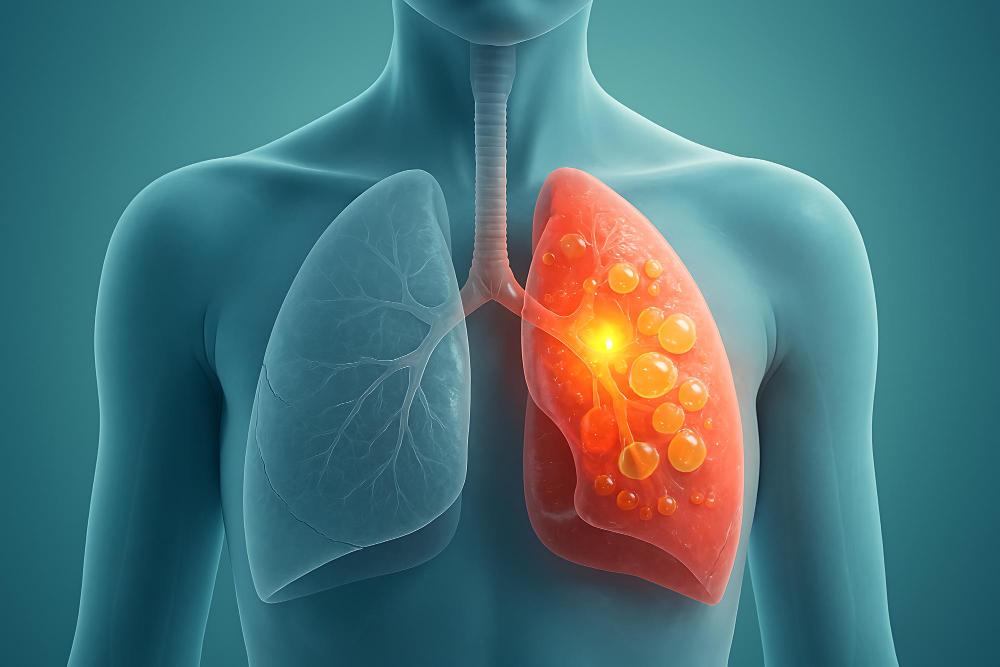
Lung cancer is one of the most common types of cancer worldwide. It develops when abnormal cells in the lungs begin to grow uncontrollably, forming a tumour that can interfere with normal breathing and lung function. Although lung cancer is a serious health condition, early detection and timely medical treatment can improve treatment options and outcomes.
One of the major challenges with lung cancer is that its early symptoms may be mild or mistaken for common respiratory problems. Persistent coughing, chest discomfort and breathlessness are sometimes ignored until the disease progresses. Understanding the warning signs, risk factors and available treatment options can help people seek medical attention at the right time.
At NUHA Hospital, patients can seek medical guidance for respiratory symptoms, diagnostic evaluation and appropriate treatment planning.
WHAT IS LUNG CANCER?
Lung cancer occurs when cells in the lungs develop abnormal changes and multiply without normal control. Over time, these cells may form a tumour and damage nearby healthy tissues. In some cases, cancer cells can spread to other parts of the body through the blood or lymphatic system. This process is called metastasis.
Lung cancer is broadly divided into two main types. Non-small cell lung cancer (NSCLC) is the most common type and includes conditions such as adenocarcinoma, squamous cell carcinoma and large cell carcinoma. Small cell lung cancer (SCLC) is less common but generally grows and spreads more rapidly.
Articles List
- ACL Surgery in Guntur: When a Torn ACL Needs Reconstruction, Recovery and Cost
- Normal Delivery vs C-Section: Which Is Better, and Who Decides?
- Meniscus Tear causes, Symptoms and Treatment options
- PCOS vs PCOD Symptoms, Causes and Key Differences
- Frozen Shoulder Causes, Stages, Symptoms and Treatment
- Pneumonia Types, Symptoms and Treatment Options
- Migraine
- Pregnancy After 35 Risks, Precautions and Medical Care
- Seizures types, causes and when to seek Emergency Care
- Hip Replacement Cost in Guntur
- Knee Replacement Surgery in Guntur
- UTI Antibiotics: Why a Doctor's Prescription Matters
- Non Surgical Vaginal Rejuvenation or Vaginal tightening
Identifying the type of cancer is important because treatment recommendations vary depending on the cancer's characteristics and stage.
WHAT ARE THE EARLY SYMPTOMS OF LUNG CANCER?
Lung cancer may not cause noticeable symptoms during its early stages. When symptoms develop, they can vary depending on the location and size of the tumour.
Some common warning signs include:
- Persistent cough: A cough that continues for several weeks or becomes progressively worse.
- Blood in sputum: Coughing up blood or blood-stained mucus, even in small amounts.
- Chest pain: Persistent discomfort or pain that becomes worse while coughing, laughing or taking deep breaths.
- Breathing difficulties: Shortness of breath during routine activities or even while resting.
- Repeated respiratory infections: Frequent episodes of pneumonia or bronchitis.
- Unexplained weight loss: Losing weight without changes in diet or physical activity.
- Constant tiredness: Feeling unusually weak or exhausted despite adequate rest.
- Voice changes: Persistent hoarseness or changes in the voice.
These symptoms do not always indicate cancer. Respiratory infections, asthma and other lung conditions can cause similar problems. However, symptoms that persist or worsen should be medically evaluated.
WHAT CAUSES LUNG CANCER?
Lung cancer develops due to changes in the DNA of lung cells, causing them to grow and divide abnormally. Several factors can increase the likelihood of these changes.
Smoking: Tobacco smoking is the leading risk factor for lung cancer. Cigarette smoke contains harmful chemicals that damage lung cells over time. The risk increases with the number of cigarettes smoked and the duration of smoking.
Passive smoking: Regular exposure to another person's cigarette smoke can also increase lung cancer risk, even among people who have never smoked.
Air pollution: Long-term exposure to polluted air, including fine particles and harmful gases, may contribute to lung cancer development.
Occupational exposure: Certain workplace substances, such as asbestos, silica and other industrial chemicals, can increase the risk of lung cancer.
Radon exposure: Radon is a naturally occurring radioactive gas that can accumulate inside buildings. Prolonged exposure increases the risk of lung cancer.
Family history: Having close relatives with lung cancer may increase an individual's risk, although this does not mean the disease will necessarily develop.
Importantly, lung cancer can also occur in people who have never smoked. Therefore, persistent respiratory symptoms should not be ignored based on smoking history alone.
HOW IS LUNG CANCER DIAGNOSED?
Accurate diagnosis is essential for identifying the type of cancer, understanding its stage and selecting an appropriate treatment plan.
A doctor usually begins by reviewing the patient's symptoms, smoking history, occupational exposure and general medical condition. A physical examination may also help identify possible respiratory abnormalities.
Depending on the patient's condition, the following investigations may be recommended:
Chest X-ray: This imaging test can help identify unusual masses, lung abnormalities or other changes that require further evaluation.
CT Scan: A computed tomography scan provides detailed images of the lungs and surrounding structures. It helps doctors examine suspicious areas more closely.
PET-CT Scan: This scan helps identify areas of increased metabolic activity and assess whether cancer may have spread to other parts of the body.
Bronchoscopy: A thin, flexible tube with a camera is passed through the nose or mouth into the airways. It allows doctors to examine the lungs and collect tissue samples when required.
Lung Biopsy: A small tissue sample is collected from the suspicious area and examined under a microscope to confirm whether cancer cells are present.
Molecular Testing: Certain lung cancer samples may be tested for specific genetic changes and protein markers. These results can help determine whether targeted medicines or immunotherapy may be suitable.
A consultation with a Pulmonologist in guntur can help patients understand which investigations are necessary based on their symptoms and medical history.
WHAT ARE THE TREATMENT OPTIONS FOR LUNG CANCER?
Lung cancer treatment depends on several factors, including the type of cancer, its stage, genetic characteristics, the patient's overall health and treatment preferences.
Modern cancer care may involve a combination of treatments to control the disease and improve quality of life.
Surgery
Surgery may be recommended when the cancer is localised and the patient is medically fit for an operation. Depending on the tumour's location and size, doctors may remove a small section of the lung, an entire lobe or, in selected cases, the whole lung.
Chemotherapy
Chemotherapy uses medicines to destroy cancer cells or slow their growth. It may be recommended before surgery, after surgery or as a primary treatment for certain types and stages of lung cancer.
Radiation Therapy
Radiation therapy uses carefully directed high-energy radiation to damage cancer cells. It may be used to treat localised tumours, alongside chemotherapy or to relieve symptoms in advanced disease.
Targeted Therapy
Targeted therapy uses medicines designed to act on specific changes within cancer cells. These treatments may be effective for patients whose tumours have particular genetic alterations identified through molecular testing.
Immunotherapy
Immunotherapy helps the body's immune system recognise and attack cancer cells. It may be recommended for selected patients depending on the cancer type, stage and biomarker results.
Palliative and Supportive Care
For patients with advanced cancer, supportive care focuses on relieving pain, managing breathing difficulties, improving nutrition and addressing emotional concerns. It can be provided alongside cancer-directed treatment.
Patients seeking Lung cancer treatment in guntur should receive an individualised treatment plan based on proper diagnosis and multidisciplinary medical evaluation.
WHY IS EARLY DETECTION IMPORTANT?
Early detection can make a significant difference in lung cancer management. When cancer is identified before it spreads extensively, more treatment options may be available, including surgery in suitable patients.
People at increased risk may benefit from screening with low-dose CT scans. This is particularly relevant for certain older adults with a significant smoking history. Screening eligibility should be assessed by a doctor based on established guidelines.
A Lung specialist in guntur can help evaluate persistent respiratory symptoms, assess risk factors and guide patients towards appropriate diagnostic investigations.
HOW CAN LUNG CANCER RISK BE REDUCED?
Although not every case of lung cancer can be prevented, certain lifestyle and environmental measures can help lower the risk.
Avoid tobacco in all forms and seek professional support if you need help quitting smoking. Reduce exposure to second-hand smoke and use appropriate protective equipment when working around harmful dust or chemicals. Maintain good indoor ventilation and address known environmental hazards where possible.
Regular medical consultations are especially important for people with a history of smoking or occupational exposure.
Consulting a Chest specialist in guntur can help individuals with ongoing respiratory concerns receive appropriate evaluation and guidance.
CHOOSING THE RIGHT MEDICAL CARE
Lung cancer management requires careful evaluation, accurate diagnosis and coordinated treatment. Patients may need support from respiratory specialists, medical oncologists, radiation oncologists, thoracic surgeons and other healthcare professionals.
Choosing an experienced Pulmonary specialist in guntur can help patients receive appropriate respiratory assessment and understand the next steps in their care.
At NUHA Hospital, patients can seek medical consultation and guidance from Dr. T. Anil for respiratory health concerns and further evaluation. A well-equipped Pulmonology hospital in guntur can play an important role in coordinating investigations, monitoring lung health and guiding patients towards appropriate specialist care.
TAKE THE FIRST STEP TOWARDS BETTER LUNG HEALTH
Lung cancer should never be ignored, especially when warning signs such as persistent cough, blood in sputum, unexplained weight loss or breathing difficulties are present. Early medical evaluation can help identify the cause and ensure that appropriate treatment begins without unnecessary delay.
Consult NUHA Hospital today for expert respiratory evaluation and personalised medical guidance. Your timely action can make a difference.
Frequently Asked Questions (FAQs)
1. Can lung cancer occur in people who have never smoked?
Yes. Although smoking is the leading risk factor, lung cancer can also develop in non-smokers due to factors such as air pollution, radon exposure, occupational hazards and genetic changes.
2. What is the most common early symptom of lung cancer?
A persistent cough is one of the common warning signs. Other symptoms may include chest pain, breathlessness, blood in sputum and unexplained weight loss.
3. Is lung cancer curable?
Some lung cancers, particularly those diagnosed at an early stage, may be treated with curative intent. Treatment possibilities depend on the cancer type, stage and the patient's overall health.
4. How is lung cancer confirmed?
A biopsy is generally required to confirm the diagnosis. Imaging tests and other investigations help determine the tumour's location, characteristics and stage.
5. Can lung cancer be prevented?
Not every case can be prevented, but avoiding tobacco, limiting exposure to second-hand smoke and workplace carcinogens, and addressing environmental hazards can reduce the risk.