
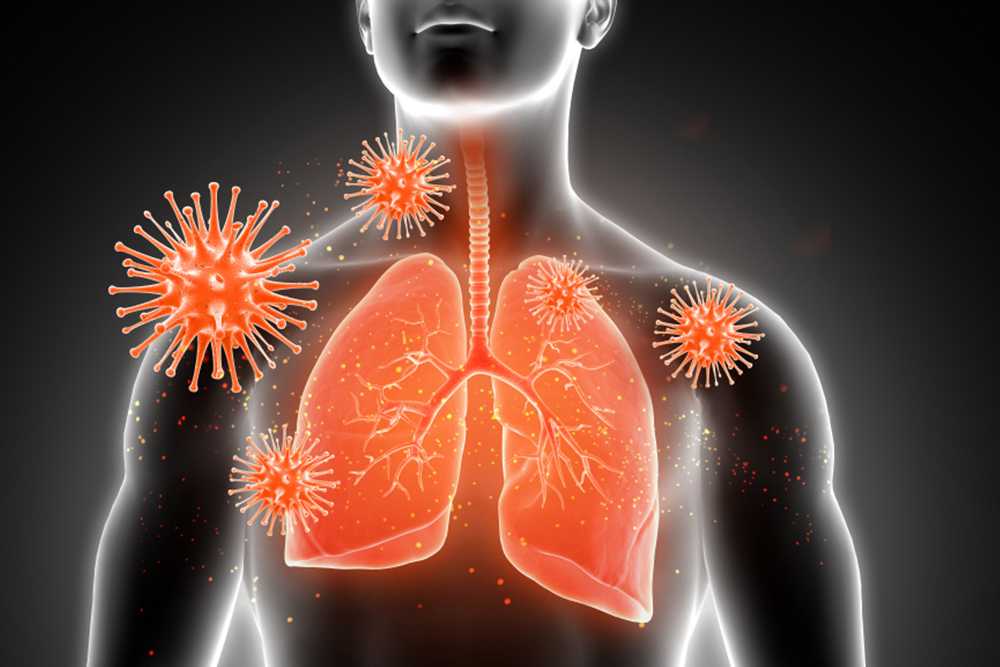
Pneumonia is a respiratory infection that affects one or both lungs. It occurs when the tiny air sacs inside the lungs, called alveoli, become inflamed and may fill with fluid or pus. This makes breathing difficult and reduces the amount of oxygen entering the bloodstream.
Pneumonia can affect people of all ages, but young children, older adults and individuals with weakened immune systems are more likely to develop serious complications. While mild cases can often be treated at home under medical guidance, severe infections may require hospitalisation.
Understanding the causes, symptoms and available treatments can help patients recognise warning signs and seek timely medical attention.
WHAT IS PNEUMONIA?
Pneumonia develops when harmful microorganisms enter the lungs and cause an infection. The body's immune system responds by producing inflammation, which can lead to coughing, fever, chest discomfort and breathing difficulties. The severity of pneumonia depends on several factors, including the type of infection, the patient's age and their overall health.
Consulting a Pulmonologist in guntur can help patients with persistent respiratory symptoms receive an appropriate diagnosis and treatment recommendations.
DIFFERENT TYPES OF PNEUMONIA
Articles List
- ACL Surgery in Guntur: When a Torn ACL Needs Reconstruction, Recovery and Cost
- Normal Delivery vs C-Section: Which Is Better, and Who Decides?
- Meniscus Tear causes, Symptoms and Treatment options
- PCOS vs PCOD Symptoms, Causes and Key Differences
- Lung Cancer Early Symptoms, Diagnosis and Treatment options
- Frozen Shoulder Causes, Stages, Symptoms and Treatment
- Migraine
- Pregnancy After 35 Risks, Precautions and Medical Care
- Seizures types, causes and when to seek Emergency Care
- Hip Replacement Cost in Guntur
- Knee Replacement Surgery in Guntur
- UTI Antibiotics: Why a Doctor's Prescription Matters
- Non Surgical Vaginal Rejuvenation or Vaginal tightening
Pneumonia can be classified according to the microorganism causing the infection or the circumstances in which it develops.
-
Bacterial Pneumonia
Bacterial pneumonia is commonly caused by bacteria such as Streptococcus pneumoniae. Symptoms may include high fever, chills, productive cough and chest pain. Antibiotics are usually prescribed when a bacterial infection is diagnosed or strongly suspected.
-
Viral Pneumonia
Viruses such as influenza, respiratory syncytial virus (RSV) and SARS-CoV-2 can cause pneumonia. Symptoms may develop gradually and include fever, dry cough, tiredness and breathing difficulties. Some cases become severe and require hospital care.
-
Fungal Pneumonia
Fungal pneumonia is less common and occurs more frequently in people with weakened immune systems. Treatment depends on the specific fungus responsible for the infection.
-
Aspiration Pneumonia
Aspiration pneumonia occurs when food, liquids, saliva or stomach contents enter the lungs and cause infection. It is more common among individuals with swallowing difficulties or reduced consciousness.
-
Hospital-Acquired Pneumonia
This type develops during a hospital stay, usually at least 48 hours after admission. It may involve bacteria that are more resistant to commonly used antibiotics, making treatment more challenging.
Understanding the type of infection helps doctors select appropriate treatment.
COMMON SYMPTOMS OF PNEUMONIA
Pneumonia symptoms may appear suddenly or develop over several days. Their severity can range from mild discomfort to serious breathing difficulties.
Common symptoms include:
- Persistent cough, sometimes producing yellow or green mucus.
- Fever accompanied by chills or sweating.
- Shortness of breath during activity or rest.
- Chest pain that worsens while coughing or breathing deeply.
- Unusual tiredness, weakness and reduced appetite.
- Rapid breathing or an increased heartbeat.
- Nausea, vomiting or diarrhoea in some patients.
- Confusion or sudden changes in alertness, particularly among older adults.
Not everyone experiences the same symptoms. Some older adults may develop pneumonia without a noticeable fever.
Patients experiencing persistent coughing, fever or breathlessness should consult a Lung care specialist in guntur for medical evaluation.
WHAT CAUSES PNEUMONIA?
Pneumonia is usually caused by bacteria, viruses or fungi entering the respiratory system. Certain health conditions and environmental factors can increase the likelihood of developing the infection.
Common risk factors include:
- Age: Children below five years and adults above 65 are more vulnerable to severe infection.
- Smoking: Tobacco smoke damages the lungs' natural defence mechanisms.
- Chronic diseases: Conditions such as diabetes, asthma, COPD and heart disease may increase the risk.
- Weakened immunity: Certain illnesses and medications can reduce the body's ability to fight infections.
- Recent respiratory infections: Influenza and other viral illnesses may increase susceptibility to pneumonia.
- Swallowing difficulties: Problems with swallowing can increase the risk of aspiration.
Recognising these risk factors can help individuals take appropriate preventive measures.
HOW IS PNEUMONIA DIAGNOSED?
Doctors diagnose pneumonia by reviewing symptoms, medical history and physical examination findings. They may listen to the lungs using a stethoscope to identify abnormal breathing sounds.
A chest X-ray is commonly recommended to identify signs of infection in the lungs. Blood tests may help assess the severity of illness, while sputum testing can sometimes identify the microorganism responsible.
Pulse oximetry is used to measure oxygen saturation in the blood. In selected cases, a CT scan or additional investigations may be necessary.
Experienced Pneumonia specialists in guntur can assess the patient's condition and recommend suitable investigations based on the severity of symptoms.
TREATMENT OPTIONS FOR PNEUMONIA
Pneumonia treatment depends on the cause of infection, its severity and the patient's general health.
- Antibiotics: Bacterial pneumonia is commonly treated with antibiotics. Patients should follow the prescribed dosage and duration.
- Antiviral medicines: Certain viral infections, particularly influenza, may require antiviral medication when clinically appropriate.
- Antifungal medicines: Fungal pneumonia requires specific antifungal treatment based on the organism involved.
- Oxygen therapy: Patients with low blood oxygen levels may need supplemental oxygen.
- Supportive care: Adequate rest, hydration and doctor-recommended fever medications can help relieve symptoms during recovery.
- Hospitalisation: Severe pneumonia may require intravenous medicines, oxygen support and close monitoring. Some critically ill patients may need intensive care.
Patients seeking Pneumonia treatment in guntur should undergo proper medical assessment rather than taking antibiotics without a prescription.
HOW CAN PNEUMONIA BE PREVENTED?
Although pneumonia cannot always be prevented, several measures can reduce the risk. Recommended vaccinations, including pneumococcal and influenza vaccines, can help protect against certain infections. Maintaining good hand hygiene, avoiding tobacco smoke and following healthy lifestyle habits also support respiratory health. People with chronic illnesses should follow their prescribed treatment plans and seek medical advice when respiratory symptoms develop.
WHEN SHOULD YOU SEEK EMERGENCY CARE?
Immediate medical attention is necessary if pneumonia causes severe breathlessness, bluish lips, confusion, persistent chest pain or difficulty staying awake.
A significant drop in oxygen levels also requires urgent evaluation. Young children, older adults and people with existing medical conditions may deteriorate more quickly.
Early treatment can help reduce the risk of serious complications.
COMPREHENSIVE RESPIRATORY CARE AT NUHA HOSPITAL
Pneumonia requires timely diagnosis, appropriate medication and careful monitoring. Patients with persistent symptoms or underlying respiratory conditions may benefit from specialist evaluation. Choosing a Pulmonology hospital in Guntur can help patients access medical assessment and guidance for respiratory infections and related complications. At NUHA Hospital, patients can seek consultations for lung health concerns and receive recommendations for further investigations and appropriate treatment.
Do not ignore persistent fever, coughing or breathing difficulties. Book your consultation at NUHA Hospital today for timely pneumonia evaluation, personalised treatment guidance and better respiratory health.
Frequently Asked Questions (FAQs)
1. Is pneumonia contagious?
Some bacteria and viruses that cause pneumonia can spread through respiratory droplets. However, not everyone exposed to these microorganisms will develop pneumonia.
2. How long does pneumonia take to recover from?
Many patients begin improving within a few days of appropriate treatment, but complete recovery may take several weeks. Severe cases can require longer recovery periods.
3. Can pneumonia be treated at home?
Mild pneumonia may be managed at home with prescribed medication and medical guidance. Severe infections may require hospitalisation.
4. Can pneumonia occur without fever?
Yes. Some patients, particularly older adults and individuals with weakened immune systems, may develop pneumonia without a noticeable fever.
5. Can pneumonia cause permanent lung damage?
Most patients recover without permanent lung damage. However, severe pneumonia can occasionally lead to complications such as lung scarring or lasting breathing difficulties.