
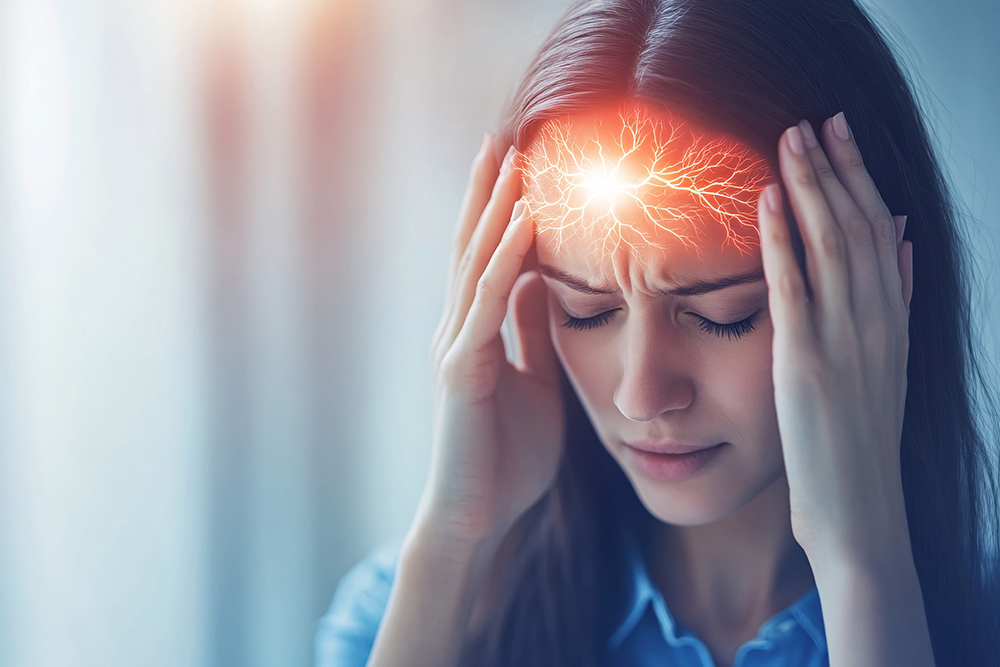
A headache can sometimes be more than ordinary head pain. Migraine is a neurological condition that causes recurring episodes of moderate to severe headaches, often accompanied by nausea, sensitivity to light and sound, and difficulty performing everyday activities. It can affect people of different age groups and may interfere with work, sleep and personal life.
Unlike a regular headache, a migraine attack can last for several hours or even days. Some people experience occasional episodes, while others have frequent attacks that require long-term medical management. Understanding the symptoms, triggers and treatment options can help individuals manage the condition and improve their quality of life.
WHAT IS A MIGRAINE?
Migraine is a neurological disorder involving changes in brain activity and the way the nervous system processes pain signals. It commonly causes throbbing or pulsating pain, usually on one side of the head, although both sides can be affected.
Migraine is not simply caused by stress or tiredness. It involves complex interactions between nerves, brain chemicals and blood vessels. Certain genetic and environmental factors may also influence a person's likelihood of developing migraine.
Articles List
- ACL Surgery in Guntur: When a Torn ACL Needs Reconstruction, Recovery and Cost
- Normal Delivery vs C-Section: Which Is Better, and Who Decides?
- Meniscus Tear causes, Symptoms and Treatment options
- PCOS vs PCOD Symptoms, Causes and Key Differences
- Lung Cancer Early Symptoms, Diagnosis and Treatment options
- Frozen Shoulder Causes, Stages, Symptoms and Treatment
- Pneumonia Types, Symptoms and Treatment Options
- Pregnancy After 35 Risks, Precautions and Medical Care
- Seizures types, causes and when to seek Emergency Care
- Hip Replacement Cost in Guntur
- Knee Replacement Surgery in Guntur
- UTI Antibiotics: Why a Doctor's Prescription Matters
- Non Surgical Vaginal Rejuvenation or Vaginal tightening
People experiencing repeated or severe headaches should consult a Neurologist in guntur to identify the underlying cause and receive appropriate medical advice.
COMMON SYMPTOMS OF MIGRAINE
Migraine symptoms differ from person to person. Some individuals experience only headaches, while others develop several associated symptoms.
Common symptoms include:
- Moderate to severe throbbing or pulsating head pain.
- Pain that becomes worse with physical activity.
- Nausea and sometimes vomiting.
- Increased sensitivity to bright lights and loud sounds.
- Sensitivity to certain smells.
- Blurred vision or difficulty concentrating.
- Dizziness or unusual tiredness.
A migraine attack can last between 4 and 72 hours when untreated. The frequency and intensity of attacks vary depending on the individual.
WHAT IS MIGRAINE AURA?
Some people experience warning signs known as an aura before or during a migraine attack. Aura usually develops gradually and may last between 5 and 60 minutes.
Visual disturbances are the most common form of aura. People may notice flashing lights, zigzag patterns, blind spots or shimmering shapes in their field of vision.
Other symptoms may include tingling sensations in the hands or face and temporary difficulty speaking. Not everyone with migraine experiences aura.
Sudden weakness, new speech difficulties or sudden vision loss should never automatically be assumed to be migraine. These symptoms require urgent medical assessment to rule out conditions such as stroke.
CAUSES
The exact cause of migraine is not completely understood. However, changes in brain signalling and the activity of certain chemical messengers, including a protein called CGRP, are believed to play an important role.
Genetics can also influence migraine susceptibility. People with close family members who experience migraine may have a higher likelihood of developing the condition.
Certain factors can trigger migraine attacks in susceptible individuals. Common triggers include:
- Stress and emotional tension.
- Inadequate sleep or changes in sleeping patterns.
- Skipping meals or dehydration.
- Hormonal changes, particularly during menstruation.
- Excessive caffeine or sudden caffeine withdrawal.
- Certain foods, alcohol and strong smells.
- Bright lights and prolonged screen exposure.
Triggers are not the same for everyone. Maintaining a headache diary can help identify personal patterns and reduce exposure to avoidable triggers.
DIFFERENT TYPES OF MIGRAINE
Migraine can occur in different forms depending on the symptoms and frequency of attacks.
- Migraine Without Aura: This is the most common type. It involves recurring headaches, often accompanied by nausea and sensitivity to light or sound, without preceding aura symptoms.
- Migraine With Aura: This type involves temporary neurological symptoms, commonly visual disturbances, before or during the headache.
- Chronic Migraine: People experiencing headaches on 15 or more days per month for over three months, with migraine features on at least eight days per month, may be diagnosed with chronic migraine.
- Menstrual Migraine: These attacks occur around the menstrual period and are associated with changes in hormone levels.
Identifying the type helps doctors select the most suitable management approach.
HOW IS IT DIAGNOSED?
Migraine is generally diagnosed through a detailed medical history and neurological examination. There is no single blood test or scan that confirms every migraine case.
The doctor may ask about the location, intensity and duration of headaches, associated symptoms, family history and possible triggers.
A neurological examination helps assess vision, balance, coordination and reflexes. Imaging tests such as CT scans or MRI may be recommended when symptoms are unusual or when another underlying condition needs to be ruled out.
Keeping a record of headache frequency, duration, symptoms and medication use can help the doctor understand the condition more clearly.
Consulting a Migraine doctor in guntur can help patients receive an accurate diagnosis and an individualised treatment plan.
TREATMENT OPTIONS
Although migraine may not have a permanent cure, appropriate treatment can reduce the frequency and severity of attacks and help patients manage daily activities.
Medicines for Acute Attacks
Pain-relieving medicines may help manage mild to moderate attacks. Doctors may prescribe triptans or other specific migraine medicines for suitable patients. Medicines that control nausea may also be recommended.
Preventive Treatment
People experiencing frequent or disabling attacks may benefit from preventive medicines. These can include certain blood pressure medicines, anti-seizure medicines, antidepressants and newer CGRP-targeting treatments.
Lifestyle Management
Regular sleep, balanced meals, adequate hydration and moderate exercise can help reduce the likelihood of attacks. Managing stress through relaxation techniques may also be beneficial.
Avoiding Medication Overuse
Taking headache medicines too frequently can sometimes cause medication-overuse headaches. Patients should follow medical advice regarding dosage and frequency. Patients looking for Migraine treatment in guntur should seek professional guidance rather than relying on repeated self-medication.
Patients experiencing frequent headaches, recurring head pain or severe headache episodes should seek timely medical evaluation. Access to Headache treatment in guntur can help identify the underlying cause, manage symptoms and prevent headaches from interfering with everyday activities.
WHEN SHOULD YOU SEEK MEDICAL ATTENTION?
Occasional headaches may not always require extensive investigation. However, repeated, severe or worsening headaches should be evaluated by a doctor.
Seek emergency medical attention if you experience a sudden, extremely severe headache, headache with fever and neck stiffness, new weakness, confusion, seizures or sudden changes in vision or speech. At NUHA Hospital, patients can seek neurological evaluation and personalised treatment guidance from Dr. K. Das.
Early assessment helps identify the cause and ensures that serious conditions are not overlooked.
EXPERT NEUROLOGICAL CARE AT NUHA HOSPITAL
Living with recurring migraine attacks can affect physical comfort, productivity and emotional well-being. Proper diagnosis and timely treatment can help patients regain better control over their daily lives.
Consulting a Neurology specialist in guntur can help patients understand their symptoms and explore suitable treatment options. A Neuro doctor in guntur can also assess recurring headaches and recommend further investigations when necessary.
Choosing a well-equipped Neurology hospital in guntur can support comprehensive evaluation and ongoing neurological care.
Do not let recurring headaches interfere with your quality of life. Book your consultation at NUHA Hospital today for expert evaluation and personalised migraine management.
Frequently Asked Questions (FAQs)
1. Is migraine different from a normal headache?
Yes. Migraine is a neurological condition that causes recurring headaches, often with nausea and sensitivity to light and sound. Ordinary tension headaches generally do not involve the same combination of symptoms.
2. How long does a migraine attack last?
An untreated migraine attack typically lasts between 4 and 72 hours. Some people may experience symptoms for longer, particularly during severe episodes.
3. Can migraine be completely cured?
There is currently no guaranteed permanent cure. However, suitable medicines and lifestyle changes can help reduce attacks and improve symptom control.
4. Can stress trigger migraine?
Yes. Emotional stress is a common trigger. Changes in stress levels, inadequate sleep and irregular eating habits may also contribute to attacks.
5. Is migraine a serious neurological condition?
Migraine is a recognised neurological disorder. Although most attacks are not life-threatening, some symptoms can resemble serious conditions such as stroke. Sudden or unusual neurological symptoms require immediate medical attention.