
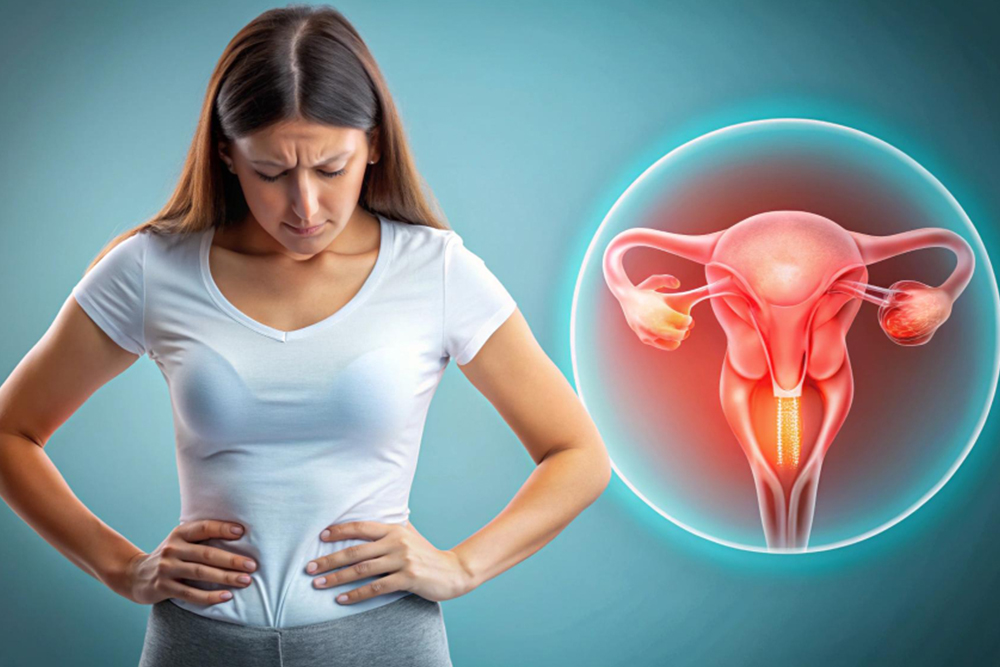
PCOS and PCOD are two commonly discussed hormonal conditions that affect women's reproductive health. Many women use these terms interchangeably, but they are not exactly the same. Both conditions can affect menstrual cycles, hormone levels, ovulation and fertility. However, understanding their differences is important for choosing the right treatment and managing long-term health.
Women experiencing irregular periods, unexplained weight gain, acne or difficulty getting pregnant may have concerns about these conditions. Early diagnosis, appropriate medical guidance and lifestyle changes can help manage symptoms and reduce the risk of complications.
At NUHA Hospital, women can consult Dr. Shabana Syed for professional guidance on menstrual health, hormonal conditions and reproductive wellness.
WHAT IS PCOD?
Polycystic Ovarian Disease (PCOD) is a condition in which the ovaries may release immature or partially developed eggs. These can sometimes accumulate and appear as multiple small follicles on an ultrasound scan. In some women, this condition may be associated with hormonal imbalance, irregular menstrual cycles and difficulties with ovulation. However, not every woman with PCOD experiences the same symptoms.
Articles List
- ACL Surgery in Guntur: When a Torn ACL Needs Reconstruction, Recovery and Cost
- Normal Delivery vs C-Section: Which Is Better, and Who Decides?
- Meniscus Tear causes, Symptoms and Treatment options
- Lung Cancer Early Symptoms, Diagnosis and Treatment options
- Frozen Shoulder Causes, Stages, Symptoms and Treatment
- Pneumonia Types, Symptoms and Treatment Options
- Migraine
- Pregnancy After 35 Risks, Precautions and Medical Care
- Seizures types, causes and when to seek Emergency Care
- Hip Replacement Cost in Guntur
- Knee Replacement Surgery in Guntur
- UTI Antibiotics: Why a Doctor's Prescription Matters
- Non Surgical Vaginal Rejuvenation or Vaginal tightening
PCOD is commonly associated with lifestyle factors, weight changes and hormonal disturbances. With appropriate medical advice, healthy eating habits, regular physical activity and other recommended measures, many women can manage the condition effectively.
WHAT IS PCOS?
Polycystic Ovary Syndrome (PCOS) is a hormonal and metabolic disorder that affects how the ovaries function. It is commonly associated with increased levels of androgens, which are hormones present in both men and women but usually found at lower levels in women. PCOS can interfere with the normal release of eggs from the ovaries, resulting in irregular periods or difficulty with ovulation. It may also affect the body's ability to use insulin effectively. This is known as insulin resistance.
Unlike PCOD, PCOS is recognised as a broader hormonal and metabolic condition. It can have long-term effects on reproductive health and may increase the risk of type 2 diabetes, high cholesterol and other metabolic problems.
PCOS vs PCOD: WHAT ARE THE KEY DIFFERENCES?
Although PCOS and PCOD share several symptoms, there are important differences in how they are understood and managed.
PCOD is generally associated with the development of immature follicles and irregular ovulation. PCOS is a more complex endocrine condition involving hormonal and metabolic changes. Another important difference is that PCOS is not diagnosed through an ultrasound scan alone. A woman may have multiple small follicles without having PCOS. Similarly, not every woman diagnosed with PCOS will have polycystic-looking ovaries on an ultrasound. PCOS diagnosis generally considers a combination of irregular or absent ovulation, signs of increased androgen levels and ovarian appearance, after excluding other possible conditions. A doctor evaluates these findings before confirming the diagnosis.
Both conditions can affect fertility, but pregnancy is possible for many women with either condition. The treatment depends on individual symptoms, overall health and pregnancy plans.
COMMON SYMPTOMS OF PCOD AND PCOS
The symptoms can vary from one woman to another. Some women experience only mild changes, while others may have multiple symptoms that affect their daily lives.
Common symptoms include:
- Irregular menstrual cycles or missed periods.
- Unexplained weight gain or difficulty losing weight.
- Acne, particularly around the face, chest and back.
- Excessive hair growth on the chin, upper lip or body.
- Thinning hair or hair loss from the scalp.
- Difficulty conceiving due to irregular ovulation.
- Darkened skin patches around the neck, underarms or groin.
- Oily skin and increased pigmentation.
Experiencing one or more of these symptoms does not automatically mean that a woman has PCOS or PCOD. A proper medical evaluation is necessary to identify the underlying cause.
WHAT CAUSES PCOS AND PCOD?
The exact causes are not fully understood, but several factors are believed to contribute to the development of these conditions.
Hormonal imbalance: Increased androgen levels can interfere with normal ovulation and contribute to acne, unwanted hair growth and irregular periods.
Insulin resistance: When the body does not respond effectively to insulin, the pancreas may produce more insulin to maintain normal blood sugar levels. Higher insulin levels can encourage the ovaries to produce more androgens.
Genetic factors: Women with a family history of PCOS may have a greater likelihood of developing the condition. However, having a family history does not guarantee that someone will develop it.
Lifestyle and weight-related factors: Lack of physical activity, unhealthy eating habits and excess body weight may contribute to metabolic problems and worsen symptoms in some women. However, PCOS can also affect women who are not overweight.
Understanding these contributing factors helps doctors recommend suitable treatment and long-term management strategies.
HOW ARE PCOS AND PCOD DIAGNOSED?
There is no single test that can independently confirm every case of PCOS or PCOD. Doctors usually consider a woman's menstrual history, symptoms, physical examination and relevant investigations.
The diagnostic process may include:
- Medical history: Understanding menstrual patterns, weight changes, family history and symptoms.
- Blood tests: Checking hormone levels, blood glucose and cholesterol where appropriate.
- Pelvic ultrasound: Examining the ovaries and uterus to identify their appearance and other possible abnormalities.
- Metabolic assessment: Evaluating blood sugar levels and other metabolic risk factors.
The investigations recommended depend on the patient's symptoms and medical history. Conditions such as thyroid disorders and elevated prolactin levels may also need to be ruled out.
Women looking for a Gynecologist in guntur should consider consulting a qualified specialist if they experience persistent menstrual irregularities or symptoms suggesting hormonal imbalance.
TREATMENT OPTIONS FOR PCOS AND PCOD
There is no single treatment that works for every woman. Management depends on the severity of symptoms, age, overall health and whether pregnancy is planned.
Lifestyle modifications: A balanced diet, regular exercise, adequate sleep and maintaining a healthy weight can improve metabolic health and support hormonal balance. Even modest weight reduction, when medically appropriate, may improve menstrual regularity in some women.
Medications for menstrual regulation: Doctors may prescribe hormonal contraceptives or other medications to regulate periods and manage symptoms, depending on individual requirements.
Treatment for insulin resistance: Certain medications, such as metformin, may be recommended for women with specific metabolic concerns.
Fertility treatment: Women experiencing difficulty conceiving may benefit from ovulation-inducing medications and other fertility treatments based on their clinical evaluation.
Management of skin and hair symptoms: Appropriate medications and dermatological treatments may help manage acne, excessive hair growth and scalp hair thinning.
Women seeking PCOD treatment in guntur should understand that treatment is not limited to regulating periods. It should also address metabolic health, fertility concerns and long-term well-being.
CAN WOMEN WITH PCOS OR PCOD GET PREGNANT?
Yes. A diagnosis of either condition does not mean that pregnancy is impossible.
Some women conceive naturally, while others may require medical assistance because of irregular ovulation. Doctors may recommend lifestyle modifications, ovulation-inducing medicines or fertility treatment depending on individual circumstances. Women planning pregnancy should seek early medical advice to understand their reproductive health and manage any associated risk factors. An experienced Obstetrician in guntur can provide guidance throughout pregnancy planning and antenatal care.
WHEN SHOULD YOU CONSULT A DOCTOR?
Do not ignore persistent changes in your menstrual cycle or other symptoms that may indicate hormonal problems. Early consultation can help identify the cause and prevent avoidable complications. Women experiencing repeated missed periods, excessive facial hair, unexplained weight changes, persistent acne or difficulty conceiving should seek medical evaluation.
At NUHA Hospital, women can consult experienced PCOS specialists in guntur for an individual assessment, appropriate investigations and treatment recommendations. Choosing a trusted Gynecology hospital in guntur can help women receive coordinated care for their reproductive and hormonal health.
The PCOD doctors in guntur at NUHA Hospital can guide patients through diagnosis, treatment planning and follow-up care based on their individual needs.
UNDERSTANDING THE COST OF PCOS AND PCOD TESTS
The cost of investigations varies depending on the type and number of tests recommended. Hormonal blood tests, blood sugar assessments and pelvic ultrasound scans may have different charges.
Women enquiring about PCOD test cost in Guntur should first consult a doctor to understand which investigations are actually necessary. The total cost will depend on the patient's symptoms, medical history and diagnostic requirements.
TAKE THE FIRST STEP TOWARDS BETTER HORMONAL HEALTH
PCOS and PCOD are manageable conditions when identified early and addressed with the right medical guidance. Do not allow irregular periods, hormonal changes or fertility concerns to affect your confidence and quality of life. Consult the women's healthcare team at NUHA Hospital for personalised evaluation and treatment.
Book your appointment today and take a positive step towards better reproductive health.
Frequently Asked Questions (FAQs)
1. Are PCOS and PCOD the same condition?
No. Although they share several symptoms, PCOS is a broader hormonal and metabolic disorder, whereas PCOD is generally associated with ovarian follicle development and irregular ovulation.
2. Can PCOS or PCOD be completely cured?
There is no guaranteed permanent cure for PCOS. However, symptoms can often be effectively managed through lifestyle changes, medications and regular medical monitoring.
3. Does having PCOS or PCOD mean I cannot become pregnant?
No. Many women with these conditions conceive naturally. Others may require medical support to improve ovulation and achieve pregnancy.
4. Can PCOS or PCOD occur in women with normal body weight?
Yes. Women with normal body weight can also develop these conditions. Weight alone cannot determine whether someone has PCOS or PCOD.
5. Can PCOS or PCOD affect long-term health?
Yes. Particularly with PCOS, some women may have an increased risk of insulin resistance, type 2 diabetes and cholesterol abnormalities. Regular medical follow-up helps monitor and manage these risks.